Introduction to Traditional Moroccan Chicken Tagine
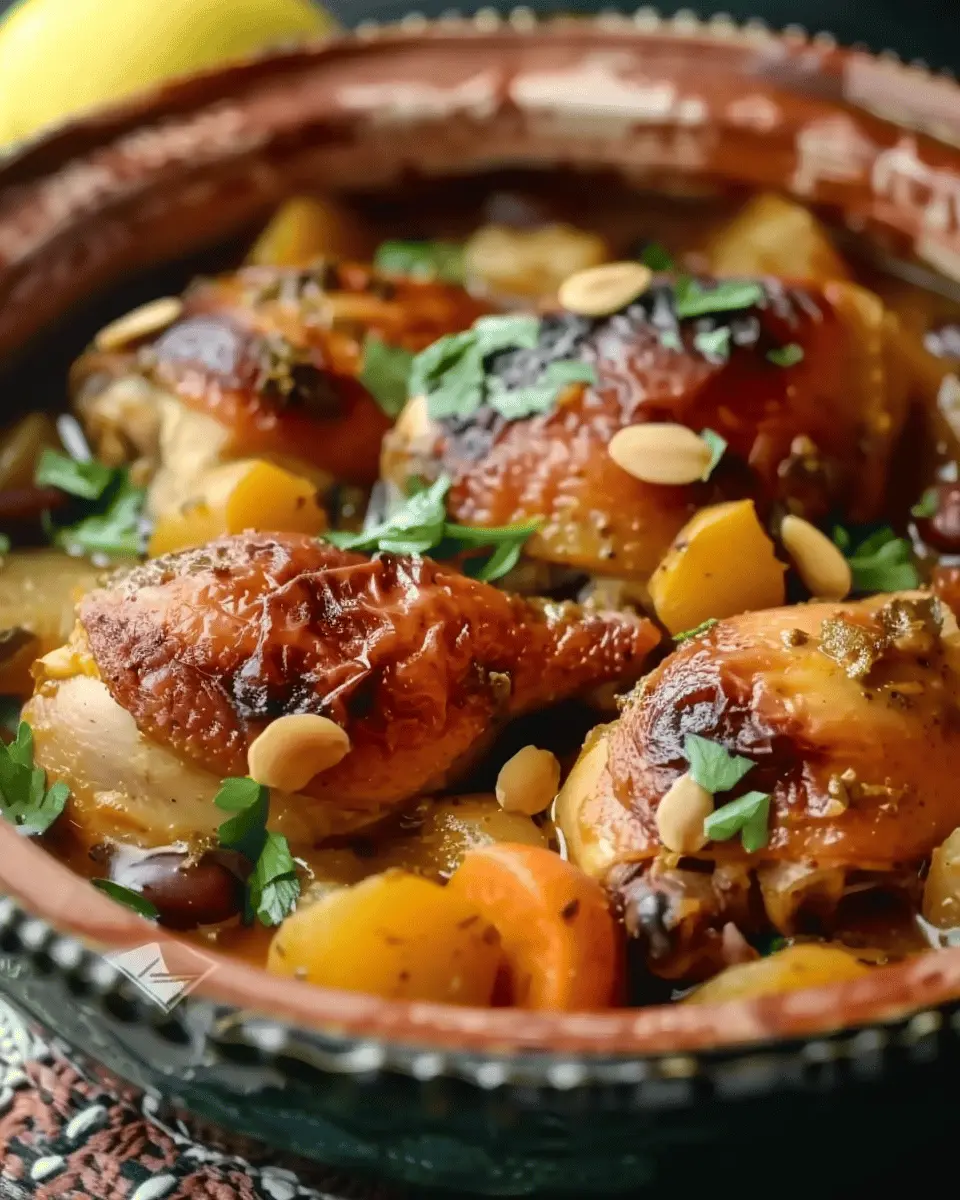
If you’re looking to expand your culinary horizons, traditional Moroccan chicken tagine should be at the top of your list. This dish, with its rich flavors and unique cooking method, is not just a meal; it’s a gateway to the vibrant culture and history of Morocco.
What is a Moroccan Tagine, and why is it special?
At its core, a tagine is both a cooking vessel and a slow-cooked stew. The tagine pot, made from clay or ceramic, has a conical lid that helps retain moisture while cooking. As the food simmers, steam rises to the top and then condenses back into the dish, creating an intensely flavorful meal. This method of cooking is not just practical; it reflects the heart of Moroccan cuisine—a harmonious blend of spices, fresh ingredients, and traditional techniques.
So, why is traditional Moroccan chicken tagine particularly special? For starters, it’s about the spices. A typical tagine will often include spices like cumin, coriander, saffron, and cinnamon, giving it a warm, aromatic profile that’s hard to resist. Plus, the versatility of the dish means you can customize it based on your taste preferences. Want a little heat? Toss in some harissa. Prefer something a bit sweeter? Add dried fruits like apricots or prunes for a delightful contrast.
Moroccan cuisine is rich in symbolism as well. Sharing a tagine meal with family or friends is a reminder of hospitality and community. As you gather around the table, you aren’t just enjoying food; you’re partaking in a culinary tradition that has been passed down through generations.
For those who may not have access to a tagine pot, don’t worry. You can achieve similar flavors using a heavy casserole dish or a Dutch oven. The world of traditional Moroccan chicken tagine is inviting, and with each bite, you’ll find yourself exploring not only the flavors but also the intricate stories behind them.
Ready to dive into this culinary adventure? Let’s start cooking! With this recipe, you’ll not only learn how to make a great tagine but also the stories and significance behind a beloved Moroccan dish.
Ingredients for Traditional Moroccan Chicken Tagine
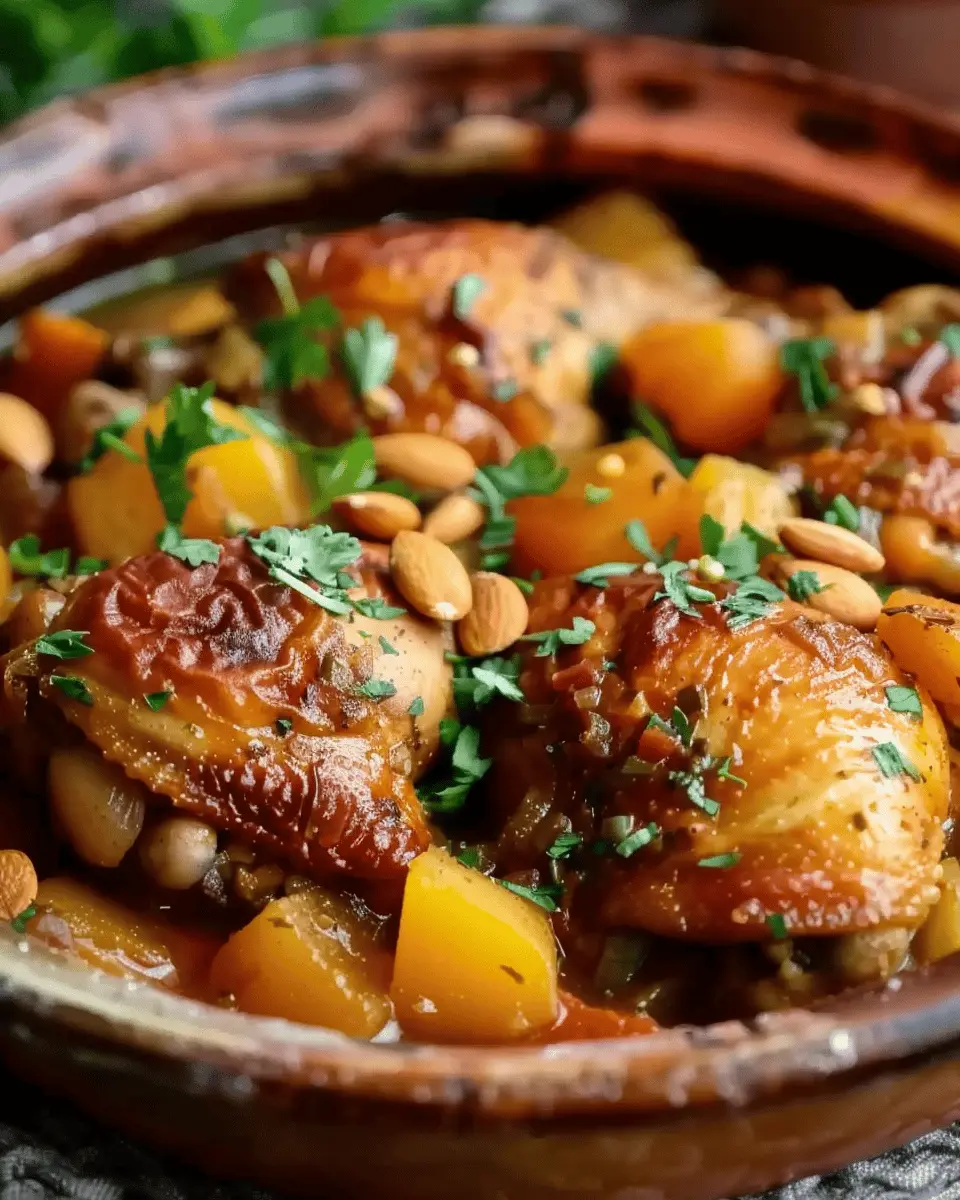
Creating a delicious traditional Moroccan chicken tagine is all about using fresh, aromatic ingredients that come together to evoke the vibrant flavors of Morocco. Here’s what you’ll need to bring this dish to life:
- Chicken: Opt for bone-in pieces for richer flavor.
- Onions: A couple of medium-sized ones, finely chopped, to build the base.
- Garlic: Four cloves, minced, for that aromatic touch.
- Spices: Cumin, coriander, ginger, and cinnamon are essential. Don’t skimp!
- Saffron: A pinch adds an authentic, earthy flavor.
- Dried fruit: Raisins or apricots give sweetness to balance out the spices.
- Vegetables: Carrots and bell peppers add color and texture.
- Chickpeas: Canned or cooked; they bring heartiness to the dish.
- Olive oil: For sautéing and adding richness.
- Chicken broth: Low-sodium works best to control salt.
Thinking of where to find these ingredients? You can visit local Mediterranean markets or check out online shops like Amazon for hard-to-find spices and dried fruits. When you use fresh, quality ingredients, you’ll elevate your tagine experience—it’s all in the details!
Preparing Traditional Moroccan Chicken Tagine
Cooking is a wonderful journey, and making traditional Moroccan chicken tagine is an adventure filled with rich flavors and fragrant spices. This dish is not just a meal; it reflects the heart of Moroccan culture. Ready to bring a taste of Morocco into your kitchen? Let’s dive in!
Gather Your Ingredients
Before diving headfirst into cooking, it’s crucial to gather all of your ingredients to ensure a smooth and enjoyable process. For a traditional Moroccan chicken tagine, you’ll need:
- Chicken thighs (bone-in for extra flavor)
- Olive oil (for browning)
- Onions (1 or 2, finely chopped)
- Garlic (4 cloves, minced)
- Spices (cumin, coriander, saffron, cinnamon, and ginger are essential)
- Dried fruits (apricots and raisins add sweetness)
- Chicken broth (or water as a cooking base)
- Fresh herbs (like cilantro and parsley for garnish)
- Vegetables (carrots and bell peppers work wonderfully)
- Almonds or pine nuts (optional, for garnish)
Having your ingredients laid out will not only save you time but also make the cooking process a lot more enjoyable. Plus, it’s a great way to take in the lovely scents of your spices as you prepare!
Brown the Chicken Thighs
Now that everything is prepped, it’s time to add some color and flavor to your chicken. Heat a couple of tablespoons of olive oil in your tagine or a large heavy-bottomed pot over medium-high heat. Carefully place the chicken thighs skin-side down and brown them for about 5-7 minutes until golden. Don’t rush this step; browning adds depth and richness.
Once browned, remove the chicken from the pot and set it aside. This step not only seals in the juices but also sets the stage for the delicious aromatics to follow.
Sauté the Aromatics
In the same pot, reduce the heat to medium and add your chopped onions. Sauté the onions until they become translucent, about 5 minutes. Then, add the minced garlic and stir for another minute. The smell will be incredible!
This combination of onions and garlic creates a savory base for your traditional Moroccan chicken tagine. For extra flavor, you can also include diced bell peppers at this stage!
Add Spices and Fruits
Here comes the magic! This is where you can really elevate your dish. Sprinkle in your spices: ground cumin, coriander, ground ginger, and a pinch of cinnamon. Don’t forget your saffron—infusing these spices into the onion-garlic mixture for a minute will release their aromatic oils, creating an incredible fragrance.
Next, toss in the dried apricots and raisins. These ingredients add a lovely sweetness that beautifully balances the spice. Pour in the chicken broth or water to deglaze the pan, scraping up any flavorful bits stuck to the bottom. Now, return the browned chicken thighs to the pot. Bring it all to a gentle simmer.
Simmer the Tagine to Perfection
Cover your tagine (or pot) and reduce the heat to low. Let it simmer for about 45 minutes to 1 hour. This slow cooking method allows the flavors to meld beautifully. It’s a great time to set the table, prepare some fluffy couscous, or a fresh salad.
Once the chicken is fork-tender and falling off the bone, you know it’s ready. Just before serving, garnish with chopped fresh herbs and toasted almonds or pine nuts for that added crunch.
Using simple, natural ingredients, this traditional Moroccan chicken tagine celebrates the vibrant flavors of Moroccan cuisine. Cooking this dish is a delightful experience that will transform any evening into a special occasion. Enjoy your delicious creation, and don’t forget to share it with friends and family for that true Moroccan experience!
For more tantalizing recipes or to delve deeper into Moroccan cooking techniques, check out The Spruce Eats for great resources. Happy cooking!
Variations on Traditional Moroccan Chicken Tagine
Exploring Vegetarian Tagine Options
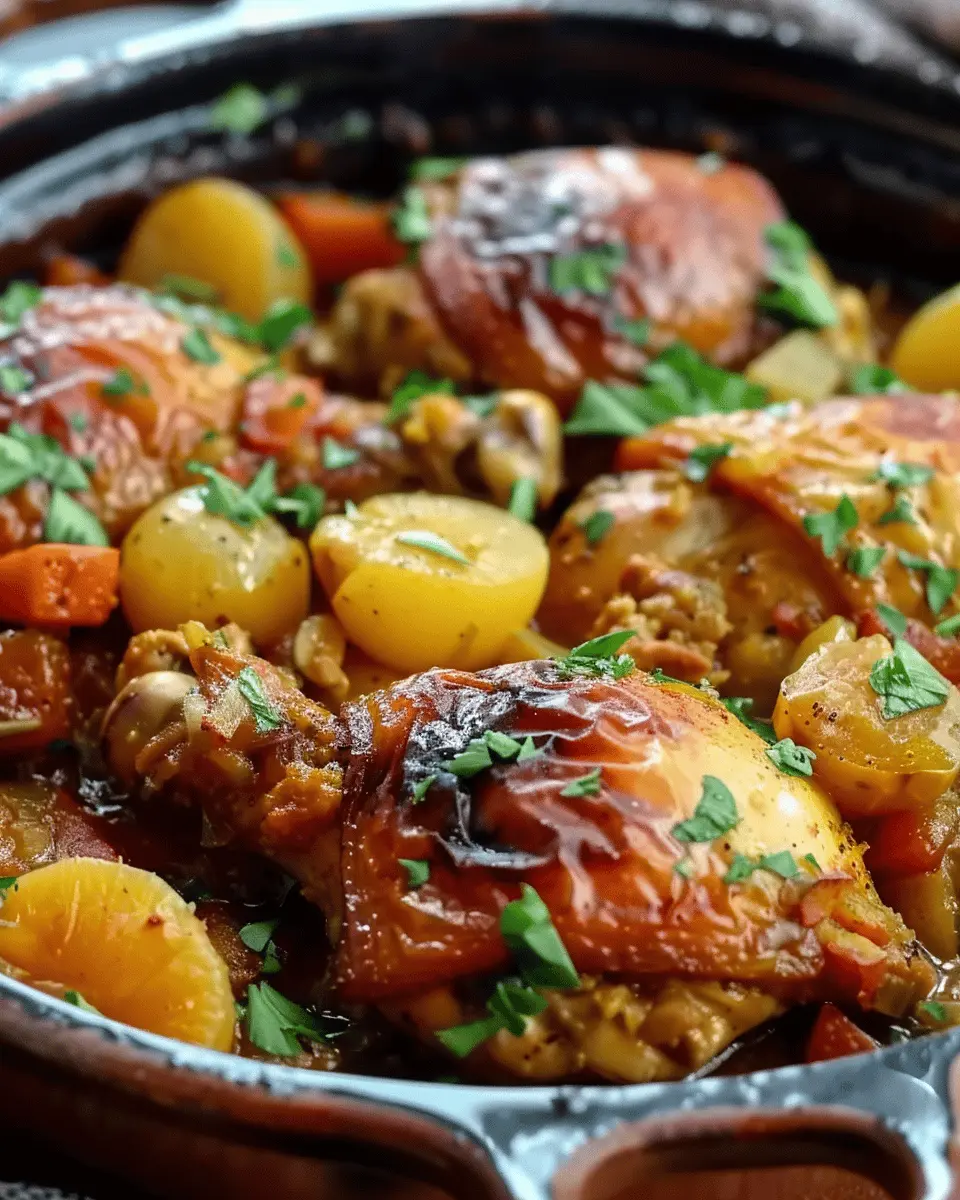
While traditional Moroccan chicken tagine often showcases tender chicken stewed with aromatic spices, don’t shy away from making it vegetarian! Simply replace the chicken with hearty vegetables like carrots, zucchini, and bell peppers. You can also add chickpeas for protein, which perfectly complements the spices. For an extra burst of flavor, consider marinating the vegetables in a blend of Moroccan spices such as cumin and coriander beforehand. This twist not only caters to vegetarians but also invites everyone to enjoy a healthy, vibrant dish.
Different Nut and Fruit Combinations
One of the joys of making a Moroccan tagine lies in the ability to experiment with ingredients. Dried fruits like apricots, dates, or figs can enhance sweetness and texture, while nuts such as almonds or pistachios add a delightful crunch. Imagine the colorful contrast of golden apricots and green pistachios sitting atop a rich, spiced base. If you’re feeling adventurous, try substituting traditional fruits with seasonal picks—like cherries or pears—making your dish a reflection of the time of year.
If you’re curious, check out resources from the Food and Agriculture Organization to explore the nutritional benefits of nuts and fruits. You might find surprising flavors waiting to be discovered. The beauty of traditional Moroccan chicken tagine is its adaptability; so don’t hesitate to invent your unique versions. Let your pantry inspire your next creation!
Cooking notes for Traditional Moroccan Chicken Tagine
Tips for Using a Tagine vs. a Dutch Oven
When preparing a traditional Moroccan chicken tagine, choosing the right cookware can make a significant difference. If you have a tagine, your dish will absorb more flavors and cook more evenly. Here are some tips:
- Pre-soak the Tagine: If you’re using a clay tagine, soak it for a few hours before cooking. This helps to prevent cracking and maintains moisture throughout the cooking process.
- Low and Slow: Tagines work best at low heat, so if you’re using a Dutch oven, keep fluctuations in temperature minimal. This ensures the chicken becomes tender and flavorful.
- Layer Wisely: In both a tagine and a Dutch oven, arrange your ingredients in layers. Starting with the onions and spices at the bottom allows for those deep, aromatic flavors to permeate the chicken as it cooks.
For a deeper dive into the history and uses of a tagine, check out this great resource on Moroccan cooking. Happy cooking!
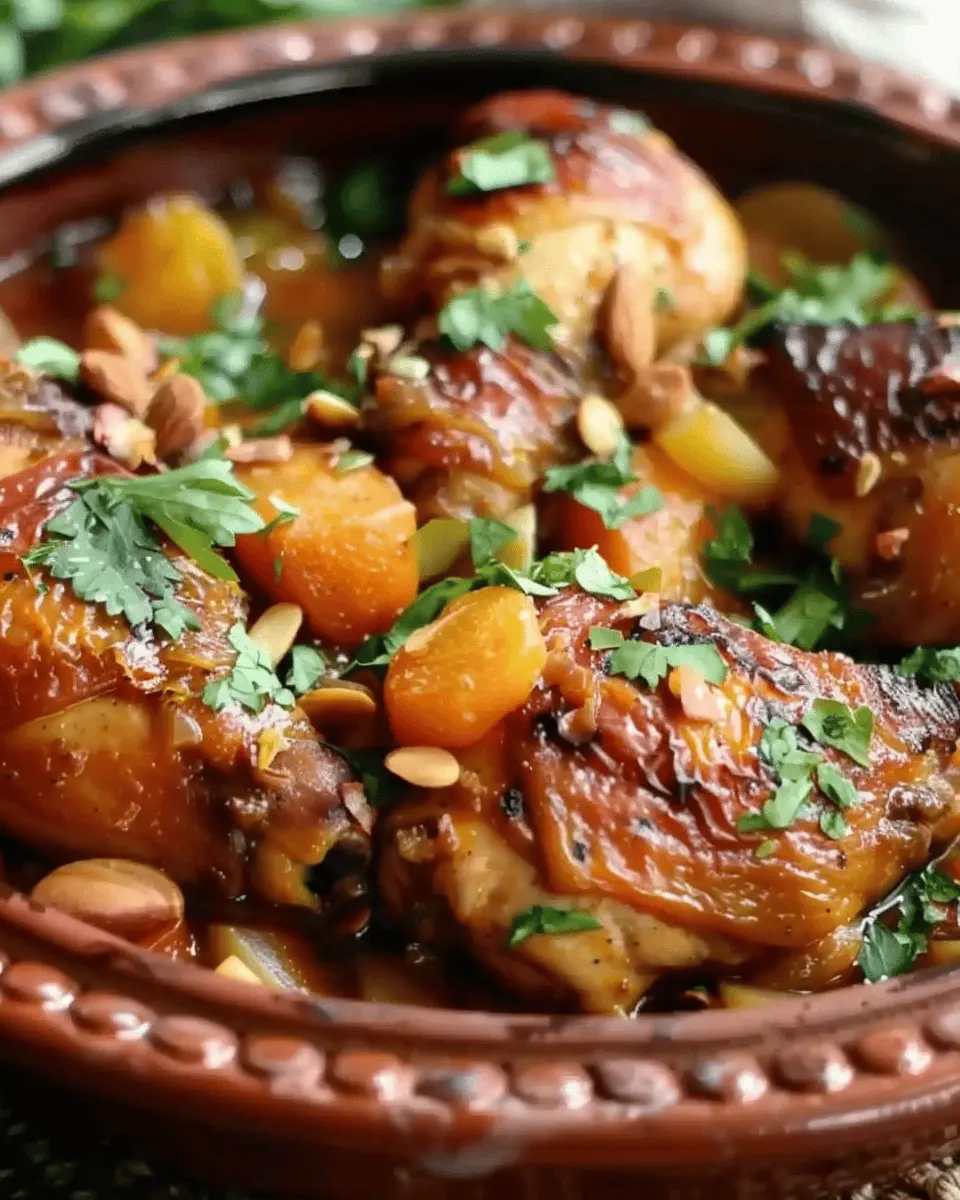
Serving suggestions for Traditional Moroccan Chicken Tagine
Recommended sides and accompaniments
When it comes to enjoying your traditional Moroccan chicken tagine, the right sides can elevate the entire meal. Think of vibrant flavors and textures that accentuate the rich spices of the tagine.
-
Couscous: Fluffy, steamed couscous is a classic pairing. It’s perfect for soaking up the fragrant sauce from the tagine. Try adding some raisins or almonds for an extra touch of sweetness.
-
Bread: A crusty loaf, such as Moroccan khobz, can be a delightful addition. Use it to scoop up the savory chicken and vegetables, embodying the communal spirit of Moroccan dining.
-
Salad: A refreshing avocado and cucumber salad drizzled with lemon dressing gives a nice contrast to the hearty flavors of the tagine.
You could even serve mint tea as a refreshing beverage option. This sweet and fragrant tea not only complements the dish but is also an integral part of Moroccan culture.
Feel free to explore more on Moroccan dining traditions here, and add your unique twist to this meal.
Tips for a Perfect Traditional Moroccan Chicken Tagine
Crafting a flawless traditional Moroccan chicken tagine is as much about technique as it is about the ingredients. Here are some handy tips to elevate your dish:
Choose the Right Chicken
Opt for organic, pasture-raised chicken if possible. The quality of your meat can significantly impact the flavor. Consider cutting the chicken into uniform pieces for even cooking.
Spice It Up
Use fresh spices whenever you can. Ingredients like cumin, coriander, and saffron bring depth to your tagine. A blend of Moroccan spices, known as ras el hanout, can take your dish to the next level. You can find great blends online or in specialty shops—just ensure they’re fresh.
Mind Your Cooking Vessel
If you have a traditional tagine pot, absolutely use it! The conical shape helps retain moisture and enhances the flavors. If not, a heavy-bottomed Dutch oven will also do the trick.
Don’t Skimp on the Aromatics
A combination of onions, garlic, and ginger not only builds a flavorful base but also scents your kitchen beautifully.
Marinade for Better Flavor
Marinating your chicken for a few hours—or even overnight—can make a world of difference. Consider using a mix of olive oil, lemon juice, and spices for extra tenderness.
Follow these tips, and you’ll be well on your way to serving up a traditional Moroccan chicken tagine that’s both authentic and unforgettable! For more helpful cooking insights, check out resources like Serious Eats and BBC Good Food.
Time details for Traditional Moroccan Chicken Tagine
Preparation time
Making traditional Moroccan chicken tagine is all about the love you put into it. You’ll need about 15 minutes to gather your ingredients and get your spices ready. Take your time; the fresher your herbs, the better your dish will be!
Cooking time
Once everything is prepped, the cooking process takes around 1 hour. This is when the magic happens—the chicken becomes tender, and the aromas fill your kitchen.
Total time
In total, you’re looking at about 1 hour and 15 minutes from start to finish. Perfect for a cozy weeknight dinner or impressing guests. For tips on other Moroccan dishes, check out this article on Moroccan Cuisine.
Now you’ve got the timing down—let’s get cooking and create something unforgettable!
Nutritional Information for Traditional Moroccan Chicken Tagine
When savoring a traditional Moroccan chicken tagine, understanding its nutritional profile can enhance your dining experience. Here’s a quick breakdown:
Calories
A serving of traditional Moroccan chicken tagine typically contains around 350–450 calories. This makes it a satisfying yet balanced option for a flavorful meal.
Protein
Packed with protein, this dish offers about 30 grams per serving. The chicken and chickpeas work together to provide a nutrient-rich base that supports muscle growth and overall health.
Sodium
With approximately 600-800 mg of sodium per serving, it’s wise to manage your intake if you’re watching your sodium levels. Opt for low-sodium broth or limit salt to make it heart-healthier.
For more detailed insights, you can delve into the USDA’s food database or consult resources like NutritionData to enrich your understanding of the health benefits in this delicious dish. If you’re exploring more recipes, consider checking out health-focused websites that analyze the nutritional impact of various cuisines!
FAQs about Traditional Moroccan Chicken Tagine
Can I substitute chicken thighs for another cut?
Absolutely! While traditional Moroccan chicken tagine often calls for succulent chicken thighs, you can certainly mix it up. If you’re a fan of white meat, boneless, skinless chicken breasts can work as a lighter alternative—just keep an eye on the cooking time since they may finish faster. For a richer flavor, consider using leg quarters, which add a bit more moisture. Remember, each cut has its own charm, so don’t hesitate to experiment and see what suits your palate best!
How do I store leftover tagine?
Storing your traditional Moroccan chicken tagine is a breeze! First, let it cool to room temperature, then transfer it to an airtight container. It can be stored in the refrigerator for up to 3 days. For longer storage, consider freezing portions—just ensure to label them with the date. When you’re ready to enjoy it again, a gentle reheat on the stovetop or in the microwave will revive its lovely flavors. For tips on reheating, you can check resources like the USDA’s guide on food safety here.
Are there any traditional pairings for tagine?
Certainly! The beauty of traditional Moroccan chicken tagine lies in its versatility. Common pairings include fluffy couscous, which soaks up the rich sauce beautifully, or a simple salad with a touch of lemon and herbs for a refreshing contrast. You might also consider serving it alongside warm, crusty bread or fragrant saffron rice. If you’re looking to elevate the meal, a side of Moroccan mint tea is a delightful choice, offering a soothing finale to a flavorful feast.
Your culinary journey into Moroccan cuisine doesn’t have to stop here—explore more tips and recipe variations to find your perfect combination!
Conclusion on Traditional Moroccan Chicken Tagine
In conclusion, traditional Moroccan chicken tagine is more than just a recipe; it’s an experience that transports your taste buds to the vibrant markets of Morocco. The combination of spices like saffron, ginger, and cinnamon melds beautifully with tender chicken and a medley of vegetables, creating a dish that is both hearty and aromatic.
Whether you are hosting a dinner party or enjoying a cozy night in, this dish serves as a beautiful centerpiece. Pair it with some fluffy couscous or warm bread for a complete meal. For more culinary adventures, check out resources from Serious Eats or BBC Good Food. Happy cooking!
PrintTraditional Moroccan Chicken Tagine: A Hearty Delight for Home Cooks

A flavorful and aromatic dish that brings the tastes of Morocco into your kitchen, perfect for gathering with family and friends.
- Prep Time: 15 minutes
- Cook Time: 1 hour
- Total Time: 1 hour 15 minutes
- Yield: 4 servings 1x
- Category: Dinner
- Method: Stewing
- Cuisine: Moroccan
- Diet: Gluten Free
Ingredients
- 4 chicken legs
- 2 tablespoons olive oil
- 1 onion, finely chopped
- 3 cloves garlic, minced
- 1 teaspoon ground cumin
- 1 teaspoon ground cinnamon
- 1 teaspoon paprika
- 1 can (15 ounces) chickpeas, drained and rinsed
- 2 cups chicken broth
- 1 cup dried apricots, chopped
- 1/2 cup honey
- salt to taste
- pepper to taste
- 1/4 cup fresh cilantro, chopped
Instructions
- Heat olive oil in a tagine or large pot over medium heat.
- Add the chicken legs and brown them on all sides.
- Remove the chicken and set aside.
- Add onions and garlic to the pot, sauté until softened.
- Stir in the spices: cumin, cinnamon, and paprika.
- Add the chicken back into the pot along with chickpeas, broth, apricots, and honey.
- Season with salt and pepper.
- Cover and simmer for about 45 minutes until chicken is tender.
- Garnish with fresh cilantro before serving.
Notes
- Serve with couscous for an authentic experience.
- Adjust honey according to sweetness preference.
Nutrition
- Serving Size: 1 bowl
- Calories: 450
- Sugar: 20 grams
- Sodium: 500 mg
- Fat: 15 grams
- Saturated Fat: 3 grams
- Unsaturated Fat: 10 grams
- Trans Fat: 0 grams
- Carbohydrates: 55 grams
- Fiber: 8 grams
- Protein: 30 grams
- Cholesterol: 100 mg
Keywords: Traditional Moroccan Chicken Tagine