

Introduction to Homemade Ramen
If you’re a busy professional, you understand the struggle of finding quick, fulfilling meals that don’t sacrifice quality or taste. Enter: homemade ramen. This delightful dish is a game-changer for those hectic weeknights when you just want something warm, comforting, and delicious without spending hours in the kitchen. Making your own ramen not only allows you to control the ingredients, but it also gives you the flexibility to personalize each bowl to your liking.
Why Homemade Ramen is a Game-Changer for Busy Professionals
Imagine coming home after a long day at work, your stomach growling, and the last thing you want to do is slave over a hot stove. The beauty of homemade ramen is that it only takes about 30 minutes from start to finish — and the best part? You can prep most of the ingredients ahead of time.
-
Efficient meal prep: With a little planning, you can chop your vegetables, marinate your proteins (think chicken ham or turkey bacon), and even make your flavorful broth in advance. This way, when you’re home, all you have to do is assemble and enjoy.
-
Nutrition at your fingertips: Using fresh ingredients means you’re not only eating better but also saving money compared to those pricey takeout options. A recent survey indicated that home-cooked meals can save you up to 60% on your food budget compared to dining out regularly[^1^].
-
Endless customization: Want extra greens? Go for it! Prefer a spicy kick? Toss in some chili oil. With homemade ramen, you’re in the driver’s seat. You can cater to your dietary preferences or restrictions, all while experimenting with flavors that excite your palate.
Let’s Get Cooking!
As we dive into this recipe, remember that the beauty of ramen lies in its versatility. Whether you’re going for a classic broth or a more adventurous flavor profile, the sky’s the limit! For a deeper dive into ramen broths and toppings, check out Serious Eats for some excellent techniques and inspiration.
So, are you ready to transform your evenings with a steaming bowl of homemade ramen? Let’s get started!
[^1^]: Source: Economic Research Service, USDA.
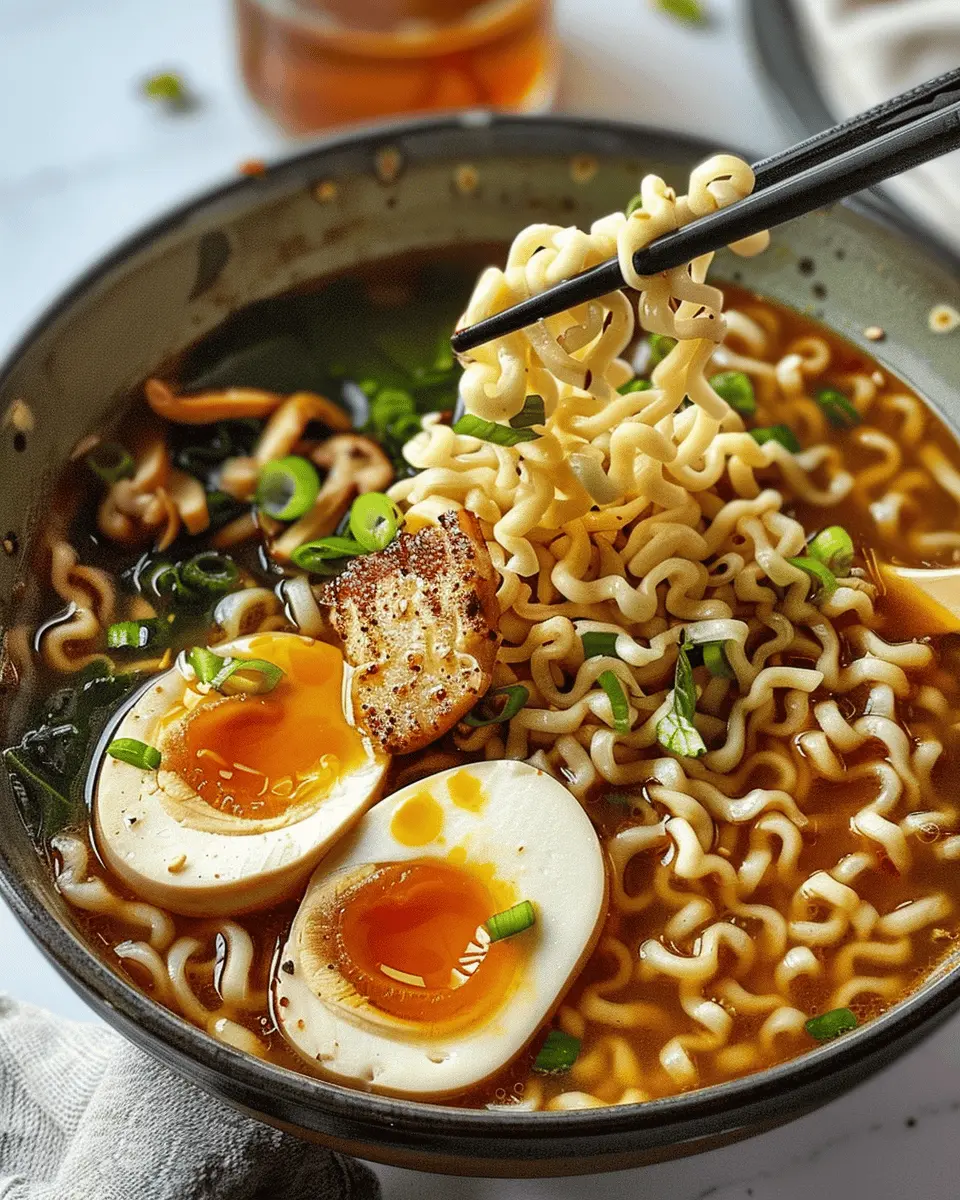
Ingredients for Homemade Ramen
Creating homemade ramen is all about the ingredients you choose. The heart of any great ramen is the broth. To achieve a flavorful base, you’ll typically want:
Essential ingredients for a flavorful broth
- Chicken or Beef Stock: These provide a rich and satisfying foundation. For an extra umami kick, consider using bone broth, which is not only flavorful but packed with nutrients.
- Miso Paste: This fermented soybean paste adds depth and complexity. A tablespoon stirred in towards the end of cooking can make a world of difference.
- Soy Sauce: A splash enhances the savory notes, balancing sweetness and saltiness beautifully.
- Sesame Oil: Just a dash will lend a lovely nuttiness that rounds out the flavor profile.
There are so many resources on how to make an unforgettable broth, such as this guide from Serious Eats.
Heartier options to customize your ramen
The beauty of homemade ramen lies in its customization. You can top your bowl with:
- Toppings: Think Turkey Bacon, Chicken Ham, or soft-boiled eggs for protein.
- Vegetables: Fresh spinach, bamboo shoots, or green onions can really brighten the dish.
- Noodles: Experiment with fresh or dried noodles to find your perfect texture.
With these ingredients, you’re well on your way to crafting a delicious and satisfying bowl of ramen that perfectly suits your taste. Happy cooking!
Preparing Homemade Ramen
Making homemade ramen from scratch can seem daunting at first, but I promise you it’s worth every minute! The unique flavors and textures you create will remind you of your favorite restaurant dish, all while enjoying the satisfaction of creating it in your own kitchen. Let’s break it down step by step!
Sauté the mushrooms and prepare the chicken
First things first: start by gathering the fresh ingredients you need. You’ll want to have:
- 1 cup sliced mushrooms (shiitake or cremini work wonderfully)
- 1 chicken breast, thinly sliced
- A drizzle of olive oil
- Salt and pepper to taste
In a large skillet over medium heat, add a splash of olive oil. Once the oil is hot, introduce the sliced mushrooms. Sauté them for about 3-5 minutes until they’re golden brown and fragrant. Remove them from the skillet and set them aside.
Next, in the same skillet, throw in your sliced chicken. Season with salt and pepper, and cook until the chicken is no longer pink in the middle – about 7-10 minutes. The chicken will develop a beautiful golden crust and a tender interior, serving as a hearty base for your homemade ramen.
Crafting the rich broth
Now on to what will convert your bowl of noodles into a true delicacy—the broth. A rich, flavorful broth is a game changer in any ramen dish. For a comforting and savory experience, you’ll want:
- 4 cups low-sodium chicken broth
- 1 tablespoon soy sauce
- 2 cloves garlic, minced
- 1-inch piece of ginger, sliced
- 1 teaspoon sesame oil
In a large pot, combine the chicken broth, soy sauce, minced garlic, sliced ginger, and sesame oil. Bring this mixture to a gentle simmer over medium heat. The soy sauce adds a robust flavor, while the garlic and ginger infuse your broth with warmth and depth. Let the broth steep for about 20 minutes for all the flavors to meld together.
Cooking the noodles to perfection
While your broth is simmering, it’s time to cook the noodles. You can use store-bought ramen noodles or make your own if you’re feeling adventurous! If using dried noodles, follow the package instructions for timing.
Here’s a tip: cook the noodles just slightly less than what the package recommends. They will finish cooking in the broth, ensuring that you have the perfect noodle texture—al dente and ready to soak up all that delicious flavor.
Combining all elements of the dish
With everything cooked to perfection, it’s time to bring our homemade ramen together. First, strain the broth to remove the garlic and ginger slices, resulting in a silky-smooth liquid. Pour the broth back into your pot and add the cooked noodles.
Next, stir in the sautéed mushrooms and chicken! Feel free to adjust the seasoning with additional soy sauce or salt as needed. This is where you can get creative and add in any other vegetables you enjoy—baby bok choy or spinach, perhaps?
Adding final garnishes for that restaurant-style finish
Last but certainly not least, garnish your bowl of homemade ramen for that picture-perfect presentation. Some great options include:
- Chopped green onions
- A soft-boiled egg, cut in half
- Toasted seaweed (nori)
- Sesame seeds
Not only do these toppings add color and texture, but they also enhance the flavor profile of your dish. With your beautifully garnished ramen in hand, you’re not just serving a meal—you’re presenting an experience.
Cooking homemade ramen is not just about the ingredients; it’s about the love and care you put into each step. So grab a couple of friends, pour yourselves some refreshing green tea, and enjoy the delicious rewards of your efforts!
For more on mastering broths, check out this broth crafting guide. Happy Cooking!

Variations on Homemade Ramen
Homemade ramen is a canvas for endless creativity, allowing you to tailor the flavors to your taste. Let’s explore some delicious variations that can elevate your ramen experience.
Spicy Chicken Ramen with a Kick
If you crave a bit of heat, look no further than spicy chicken ramen. Start with a flavorful broth infused with ginger, garlic, and a generous splash of chili oil. For the chicken, you can use tender shredded chicken breast or chicken ham, seasoned with soy sauce for an umami boost. To finish, top it off with chopped scallions, a soft-boiled egg, and fresh cilantro. This combination adds a perfect kick that’s not overwhelming but absolutely satisfying.
Vegetarian Ramen for Those Seeking Meatless Options
Even if you’re a die-hard carnivore, you’ll love vegetarian ramen. The star here is a rich vegetable broth made from simmering mushrooms, carrots, and kombu (dried seaweed). Use tofu for protein and load up on fresh veggies like spinach, bok choy, and snap peas. Did you know that a plant-based diet can lower long-term health risks? This option not only makes for a hearty meal but is also a great way to savor nutritious ingredients without compromising flavor.
Seafood Ramen for a Coastal Twist
If you love seafood, consider creating a coastal-inspired ramen. Start with a seafood broth, perhaps made with dashi—a Japanese stock from kombu and bonito flakes. Then add shrimp, scallops, or even crab to bring the taste of the ocean to your bowl. Toss in seaweed, corn, and a squeeze of citrus for brightness. This variation offers a delightful blend of flavors that transport you to a beachside restaurant.
Whichever variation you choose, homemade ramen can be tailored to your preferences, making it a perfect dish for every occasion! For more tips on boosting your ramen game, check out this guide on ramen toppings for inspiration.
Cooking Tips and Notes for Homemade Ramen
Using the Right Type of Noodles for Your Ramen
Choosing the right noodles is essential for a delightful homemade ramen experience. Look for fresh or dried ramen noodles made from wheat flour, water, salt, and kansui (an alkaline mineral water). This unique blend gives the noodles their characteristic chewy texture. You can often find these noodles at Asian grocery stores or online. If you’re in a pinch, udon can also serve as a substitute, though it will provide a different texture.
How to Perfectly Soft Boil Eggs Every Time
Achieving the perfect soft-boiled egg can elevate your homemade ramen to gourmet status. Follow these steps for success:
- Bring a pot of water to a gentle boil.
- Gently add your eggs and boil for exactly 6-7 minutes, depending on your preferred doneness.
- Immediately transfer the eggs to an ice bath for about 5 minutes to stop the cooking.
Peeling is easier when you tap the eggs gently and run them under cold water. This perfectly creamy yolk will complement your ramen beautifully. For more egg resources, check out the American Egg Board for tips and guidelines.
With these tips, your homemade ramen will impress friends and family alike!

Serving Suggestions for Homemade Ramen
Ideal accompaniments to enhance your ramen experience
For a delicious bowl of homemade ramen, the right accompaniments can take your dish to new heights. Consider adding:
- Soft-boiled eggs: The creamy yolk enriches the broth and adds a lovely texture.
- Turkey bacon: A twist on traditional toppings, its savory notes complement the noodles beautifully.
- Chicken ham: Offering a mild flavor, it balances the dish with a protein that’s easy to chew.
- Fresh vegetables: Think bok choy, mushrooms, or green onions for a burst of color and crunch.
- Nori: Seaweed sheets add an umami kick and are fun to eat.
Creative plating techniques for a stunning presentation
Presentation matters, especially when indulging in homemade ramen. Here are some tips to wow your diners:
- Layered ingredients: Place your noodles at the bottom, followed by a colorful array of toppings. This shows off the variety while keeping the broth and noodles cozy.
- Angle your bowl: Serving your ramen in a slightly tilted bowl can create an inviting look that makes the dish feel more dynamic.
- Garnish with flair: A sprinkle of sesame seeds or a fresh herb, like cilantro, can elevate your ramen’s aesthetic.
Don’t forget, your homemade ramen is not just a meal; it’s an experience. Want to learn more about the art of ramen? Check out resources from the Noodle Magazine. Happy slurping!
Time Breakdown for Homemade Ramen
Preparation time
Making homemade ramen starts with a little planning! Set aside about 30 minutes to gather ingredients like fresh noodles, beef, and your choice of veggies. If you’re feeling adventurous, consider prepping toppings like Turkey Bacon or Chicken Ham in advance for quick assembly later on.
Cooking time
Once everything is prepped, cooking can take around 1 to 1.5 hours. This timing includes simmering your broth to achieve that rich depth of flavor – patience is key! You might even find it therapeutic; the aroma alone is worth the time.
Total time
In total, expect to spend about 1.5 to 2 hours on this delicious journey to your bowl of homemade ramen. While it may seem like a commitment, every minute is infused with deliciousness. Plus, making it yourself can save you a hefty sum compared to dining out! So, are you ready to dive in? Check out more tips on making the perfect broth here.
Nutritional Facts for Homemade Ramen
When it comes to enjoying a comforting bowl of homemade ramen, understanding its nutritional value can help you appreciate your meal even more.
Calories per serving
A typical serving of homemade ramen packs about 350-500 calories, depending on your ingredients. This gives you a satisfying meal without completely derailing your dietary goals!
Key nutritional components
- Protein: With toppings like turkey bacon or chicken ham, you’ll get a hearty dose of protein that can range between 20-30 grams, perfect for muscle repair and maintenance.
- Carbohydrates: The noodles contribute roughly 40-70 grams of carbs, providing the energy you need for your busy day.
- Fats: If you opt for a dash of oil or rich broth, you’ll find fats making up about 10-20 grams, mostly from healthy sources.
Homemade ramen can be customized to suit your health needs — just add more veggies or lean meats for an extra nutritional boost. Curious about more health insights? Check the USDA’s FoodData Central for detailed breakdowns!
FAQ about Homemade Ramen
How can I make my ramen broth richer?
To achieve a richer broth for your homemade ramen, consider adding more depth with a few simple ingredients. Here are some tips:
- Umami Boosters: Incorporate ingredients like miso paste, soy sauce, or even kombu (dried sea kelp) to enhance flavors.
- Aromatics: Sauté onions, garlic, and ginger before adding them to the broth to build a flavor foundation.
- Fat Content: Add beef bones or even a splash of sesame oil to introduce richness and mouthfeel.
- Longer Simmer: The longer your broth simmers, the more the flavors meld together. Aim for at least a few hours.
What can I substitute for traditional ramen noodles?
If you can’t find traditional ramen noodles or are looking for alternatives, there are several great options:
- Udon Noodles: Thicker, chewier, and can absorb the broth’s flavors.
- Soba Noodles: Made from buckwheat, they have a unique taste and are a hearty option.
- Rice Noodles: For a gluten-free option, rice noodles work quite well, although they may alter the overall texture of the dish.
Experimenting with different noodle types can lead to exciting variations in your homemade ramen.
How long can I store leftover ramen?
Leftover ramen can be a delightful meal the next day! Here’s what you need to know about storage:
- Broth and Noodles: It’s best to store them separately to prevent sogginess. In the fridge, they can last for 3-4 days.
- Reheating Tips: When ready to enjoy, simply reheat the broth and add the noodles. This keeps the dish fresh and prevents overcooking.
For more insights, you can check resources like Serious Eats and Bon Appétit for expert cooking advice and techniques!
Conclusion on Homemade Ramen
Making homemade ramen is not only a rewarding culinary adventure, but it also allows you to customize flavors that suit your palate perfectly. Why not challenge yourself to whip up this delicious dish at home? It’s easier than you might think! Whether you prefer a rich beef broth or a lighter chicken option, the choice is yours.
Don’t be intimidated by the idea of making ramen; with a bit of practice, you’ll impress yourself and your friends. Plus, homemade means fresher ingredients and fewer preservatives. For more inspiration, check out resources like Serious Eats or Noodle Recipes on Allrecipes. Dive in and enjoy every slurp!
PrintHomemade Ramen: Easy Recipe with Turkey Bacon and Chicken Ham

Learn how to make delicious homemade ramen using turkey bacon and chicken ham for a quick and tasty meal.
- Prep Time: 10 minutes
- Cook Time: 15 minutes
- Total Time: 25 minutes
- Yield: 4 servings 1x
- Category: Main Course
- Method: Boiling
- Cuisine: Japanese
- Diet: Low Carb
Ingredients
- 4 cups chicken broth
- 2 packs ramen noodles
- 4 strips turkey bacon
- 1 cup cooked chicken ham
- 1 green onion, sliced
- 2 boiled eggs
- 2 tablespoons soy sauce
- 1 teaspoon sesame oil
- 1 nori sheet, cut into strips
Instructions
- In a large pot, bring chicken broth to a simmer.
- Add ramen noodles and cook according to package instructions.
- Meanwhile, cook turkey bacon until crispy, then chop into pieces.
- Add cooked chicken ham, soy sauce, and sesame oil to the pot.
- Once noodles are cooked, divide into bowls and pour broth over them.
- Top with turkey bacon, sliced green onion, and a boiled egg.
- Garnish with nori strips before serving.
Notes
- For extra flavor, you can add more toppings like mushrooms or bean sprouts.
- This recipe can be easily customized with your favorite ingredients.
Nutrition
- Serving Size: 1 bowl
- Calories: 350
- Sugar: 2g
- Sodium: 800mg
- Fat: 15g
- Saturated Fat: 4g
- Unsaturated Fat: 7g
- Trans Fat: 0g
- Carbohydrates: 36g
- Fiber: 2g
- Protein: 20g
- Cholesterol: 100mg
Keywords: Homemade Ramen, Ramen Recipe, Turkey Bacon, Chicken Ham