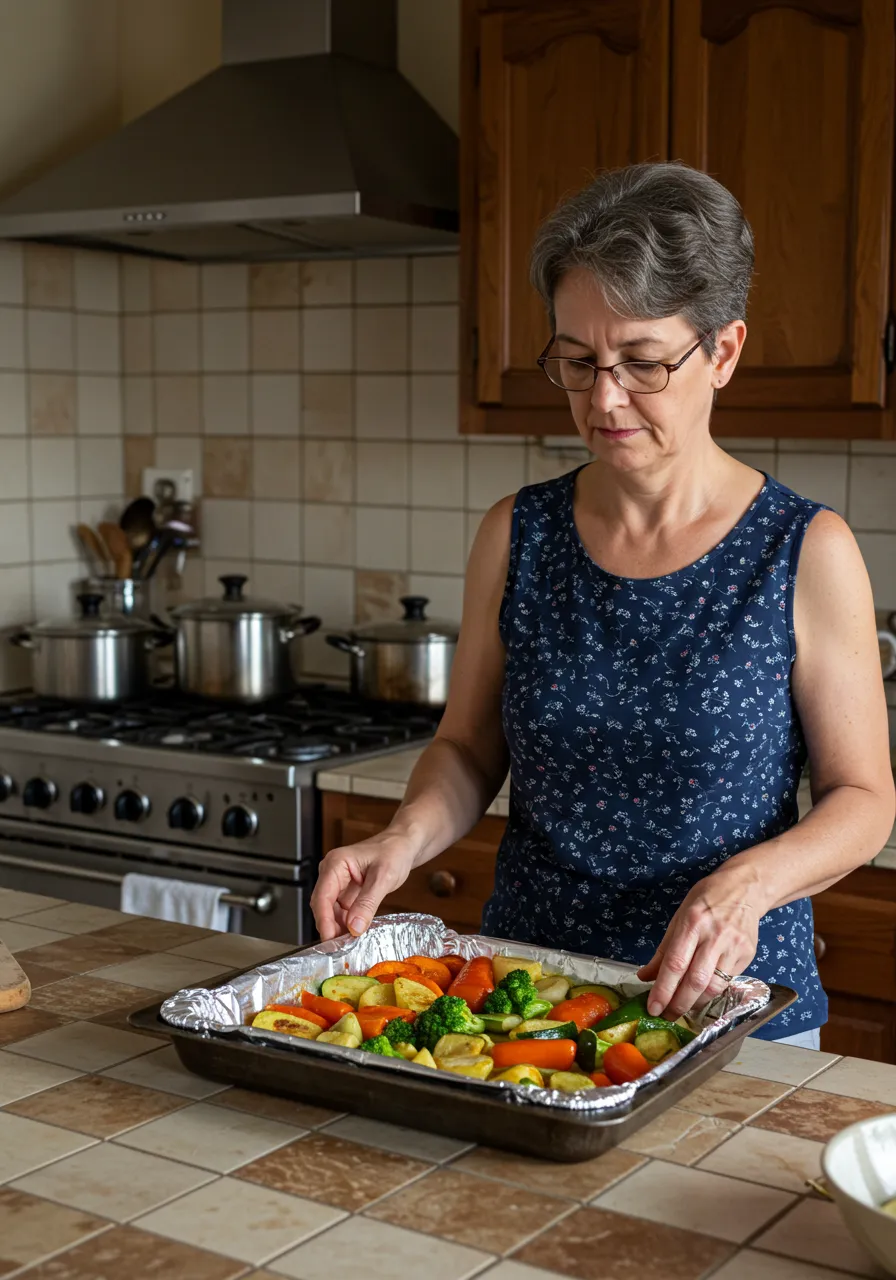

Introduction to Easy Homemade Bread
With the hustle and bustle of everyday life, the thought of making homemade bread can often feel daunting. But what if I told you that it’s easier than you think? Crafting a loaf of warm, fluffy bread right in your own kitchen can be a fulfilling act that not only fills your home with an irresistible aroma but also provides a sense of accomplishment.
Why Make Homemade Bread?
There are countless reasons why making your own bread is worthwhile:
-
Healthier Ingredients: When you make easy homemade bread, you control the ingredients. This means you can avoid preservatives and additives commonly found in store-bought varieties. You can experiment with whole grains, seeds, or even gluten-free alternatives without sacrificing taste.
-
Cost-Effective: With rising grocery prices, baking your own bread can be a money-saver. According to a report from the U.S. Bureau of Labor Statistics, the cost of basic groceries, including bread, has seen significant increases. By making it at home, you can enjoy delicious, fresh bread at a fraction of the price.
-
Therapeutic Experience: The act of kneading dough can be surprisingly therapeutic. It’s a wonderful way to unwind after a long day, allowing your mind to focus on the rhythm of your hands working the dough. Plus, there’s something incredibly rewarding about slicing into a loaf you’ve crafted yourself.
-
Creative Outlet: Baking is a form of art—you can experiment with different flavors, add-ins like herbs or cheese, and even shapes. If you’re looking for inspiration, visit sites like King Arthur Baking or The Fresh Loaf to explore endless possibilities.
Homemade bread is more than just a food item; it’s about the experience and creation. Why not gather your ingredients and embark on this fulfilling journey? Soon enough, you’ll be mastering the art of easy homemade bread, impressing family and friends one loaf at a time.
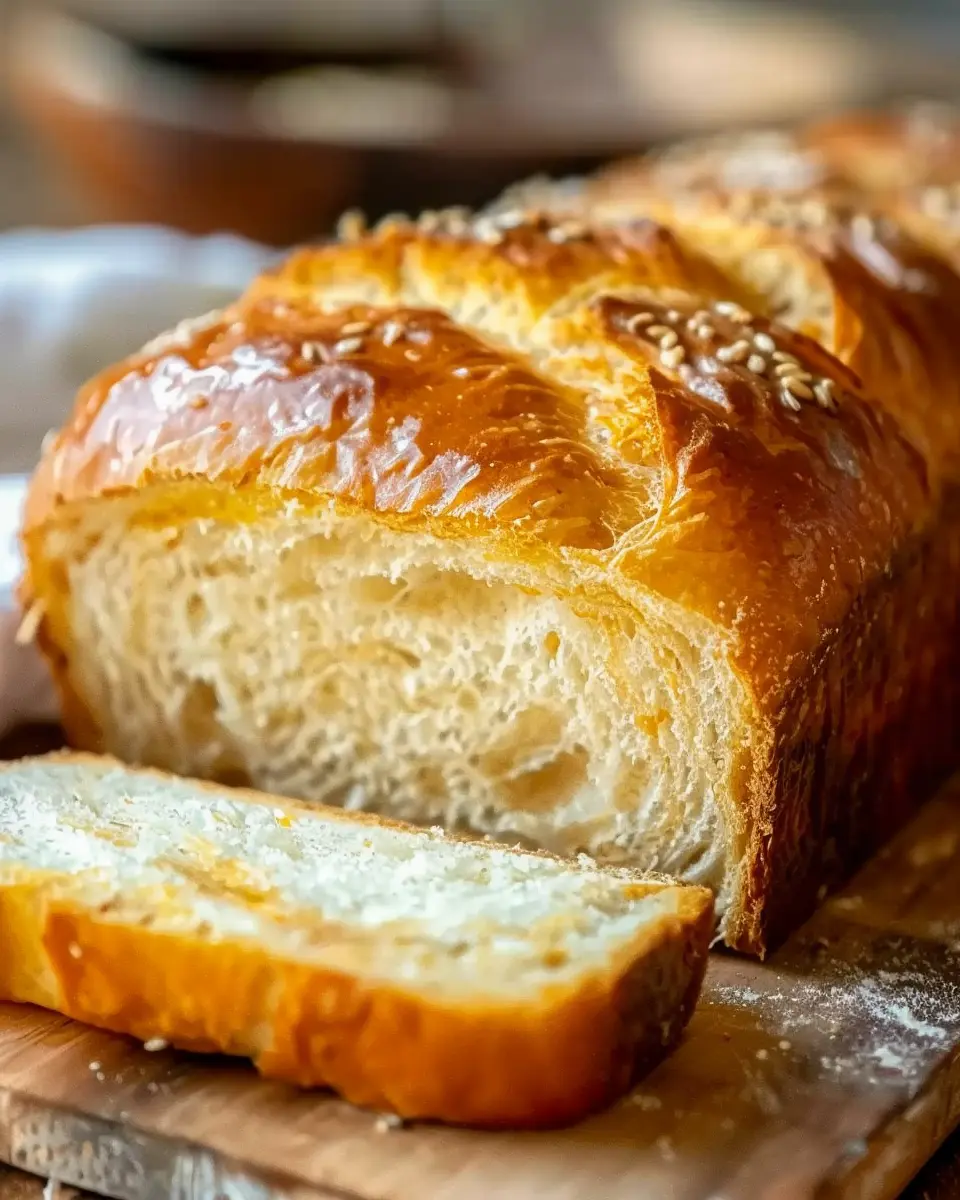
Ingredients for Easy Homemade Bread
What do you need to get started?
Making easy homemade bread is both rewarding and uncomplicated, and the ingredients are likely ones you already have in your pantry. Here’s a concise list of what you’ll need:
- All-purpose flour (about 4 cups) – This is the backbone of your bread, providing structure.
- Warm water (1 and ½ cups) – Helps activate the yeast; think cozy bath temperature (around 110°F).
- Active dry yeast (2 teaspoons) – This little powerhouse will make your bread rise and give it that delightful fluffiness.
- Sugar (2 tablespoons) – A touch of sweetness for the yeast to feast on and for flavor enhancement.
- Salt (2 teaspoons) – This enhances the bread’s flavor and controls yeast growth.
- Olive oil (2 tablespoons) – Adds richness and keeps your bread soft.
If you’re keen to explore variations, consider integrating herbs or spices for an aromatic twist or even adding seeds for texture. Resources like King Arthur Baking offer extensive insights on enhancing your recipes. So, gather these ingredients, roll up your sleeves, and let the baking magic begin!
Step-by-Step Preparation of Easy Homemade Bread
Baking bread at home can seem daunting, but with a little patience and a few simple steps, you’ll soon be enjoying easy homemade bread that’s not only delicious but incredibly satisfying to make. Let’s dive into the process!
Activate the yeast
The first step in our adventure is activating the yeast. Yeast is what helps our bread rise, so it’s essential to wake it up properly.
- Ingredients: You’ll need warm water (around 110°F) and active dry yeast.
- What to do: In a small bowl, combine 2¼ teaspoons of yeast with 1 tablespoon of sugar and 1½ cups of warm water. Stir gently and let it sit for about 5-10 minutes until it’s frothy. If it doesn’t foam, your yeast might be dead—time to get a fresh batch!
Understanding yeast is crucial, as it’s the magic ingredient! Did you know that yeast can become inactive when exposed to excessive heat or cold? For more tips on yeast types and activation, check out this comprehensive guide.
Mix the dough
Now that we’ve activated the yeast, it’s time to bring everything together. This is the fun part when your easy homemade bread starts to take shape!
- Ingredients: In a large mixing bowl, combine 4 cups of all-purpose flour and 1 teaspoon of salt. Remember, salt is crucial for flavor!
- What to do: Make a well in the center of the flour mixture and pour in the foamy yeast mixture. Using a wooden spoon, mix everything until it forms a rough dough. You want to see some flouriness—that’s okay!
Mixing doesn’t have to be perfect; a few lumps are fine. Just let your instincts guide you as you see the ingredients come together.
Knead the dough
With your dough formed, the next step is kneading, which develops the gluten and gives the bread its texture.
- What to do: Turn the dough out onto a lightly floured surface. Use your hands to press it down and fold it over itself, then push it away. Repeat this process for about 8-10 minutes until the dough is smooth and elastic. If it starts to stick, sprinkle a bit more flour on top.
Kneading may seem laborious, but it’s quite therapeutic! Think about adding your favorite music playlist; it makes the time fly by.
First rise
After kneading, it’s time for the dough to rise. This step is crucial as it allows the dough to develop flavor and texture.
- What to do: Place your kneaded dough in a greased bowl, cover it with a damp cloth, and let it rest in a warm place for about 1 hour or until it doubles in size.
If you’re short on time or space, an oven with the light on can provide a warm environment for rising. Just be sure not to turn the oven on!
Shape the dough
Now that your dough has risen, it’s time to shape it.
- What to do: Gently press the dough down to release air, then turn it out onto a lightly floured surface. Shape it into a loaf by flattening it into a rectangle, then rolling it up tightly from one end. Pinch the seams to seal.
Shaping is an artistic part of bread-making—don’t worry too much about perfection. Just go with the flow!
Second rise
Like the first rise, the second rise is all about allowing your dough to reach its full potential before baking.
- What to do: Place your shaped loaf in a greased pan, cover it, and let it rise for another 30-40 minutes until it puffs up nicely.
This is a great time to preheat your oven to 375°F so it’s ready to go!
Bake the bread
Finally, we get to the moment we’ve been waiting for: baking!
- What to do: Once your dough has risen, bake it in the preheated oven for 30-35 minutes until it’s golden brown and sounds hollow when tapped. If you have a thermometer, the internal temperature should reach around 190°F.
When you pull it out of the oven, resist the urge to slice it right away. Let it cool for at least 10 minutes to allow the crumb to set.
There you have it—your easy homemade bread is ready to be sliced and enjoyed! Whether you slather on some butter or pair it with a hearty soup, your efforts will be more than worth it. Happy baking!
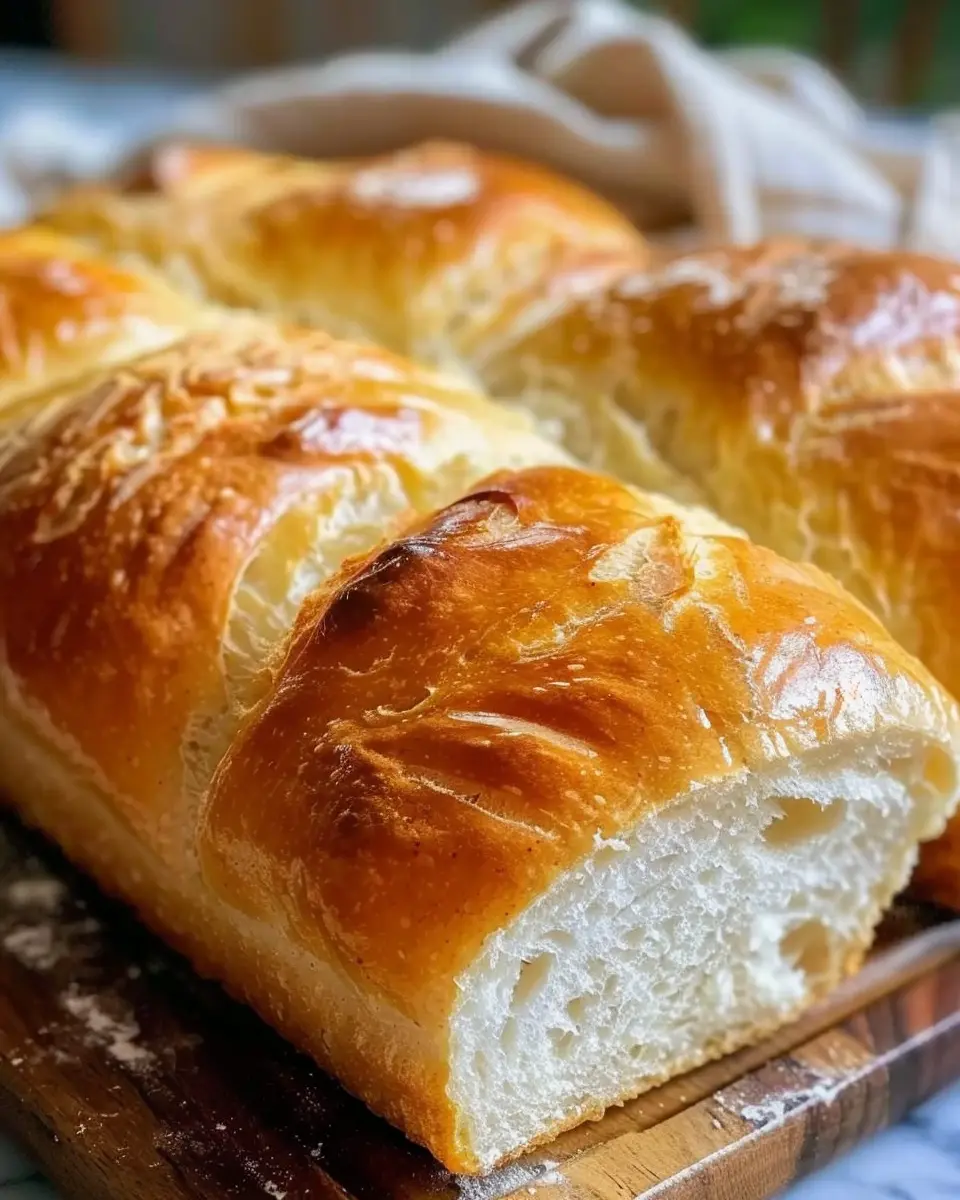
Variations on Easy Homemade Bread
When it comes to easy homemade bread, the possibilities are endless! Let’s explore some delightful variations that cater to different taste preferences and meal occasions.
Whole Wheat Bread
For a hearty option, try making whole wheat bread. This variation steps up the nutritional profile while maintaining a soft texture. Use whole wheat flour for a nutty flavor and a boost of fiber. You can also mix in seeds like chia or sunflower for added crunch and health benefits. Whole wheat bread is perfect for sandwiches, especially when paired with Turkey Bacon or Chicken Ham. The slight nuttiness complements the savory fillings beautifully.
Herb-Infused Bread
Looking to elevate your bread game? Consider making herb-infused bread. Start with your basic dough, then add fresh herbs like rosemary, thyme, or basil. These aromatic additions will fill your kitchen with irresistible scents and deliver a burst of flavor in every bite. Imagine slicing into a loaf and having the herbs welcoming you! Pair this with a homemade dip or spread for a delightful appetizer.
For more inspiration on fresh herbs, check out resources from The Spruce Eats or Healthline.
Sweet Bread Options
If you have a sweet tooth, why not try creating a sweet bread variation? Add ingredients like honey, cinnamon, or vanilla to your dough. You could even fold in chocolate chips or dried fruits for extra decadence. Sweet bread can be enjoyed fresh out of the oven or toasted for breakfast, making it a versatile option. Drizzle with a little honey or spread some cream cheese for a treat that’s hard to resist!
With these variations, your easy homemade bread can cater to any palate or occasion! Get creative, and don’t hesitate to put your personal spin on these variations!
Baking Tips and Notes for Easy Homemade Bread
Common Mistakes to Avoid
When making easy homemade bread, it’s essential to dodge some common pitfalls. For instance, don’t rush the proofing stage—your dough needs time to rise! A second rise can ensure a fluffier texture. Over-kneading can lead to a dense loaf, so aim for a smooth, elastic feel. Also, be cautious with your measurements; even a small variation in flour can affect the dough’s consistency. If you’re unsure, consider using a kitchen scale for precision.
Best Practices for Kneading
Kneading is where the magic happens! Aim for a consistent and rhythmic motion; push the dough away, fold it back, and repeat. A gentle touch aids gluten development, crucial for achieving that perfect rise and texture in your easy homemade bread. If you’re unsure when to stop, the dough should be slightly tacky but not sticking to your hands. Remember, practice makes perfect! For more tips on kneading, check out resources like King Arthur Baking or BBC Good Food.
Feel free to share your bread-making adventures and any tips that work for you!
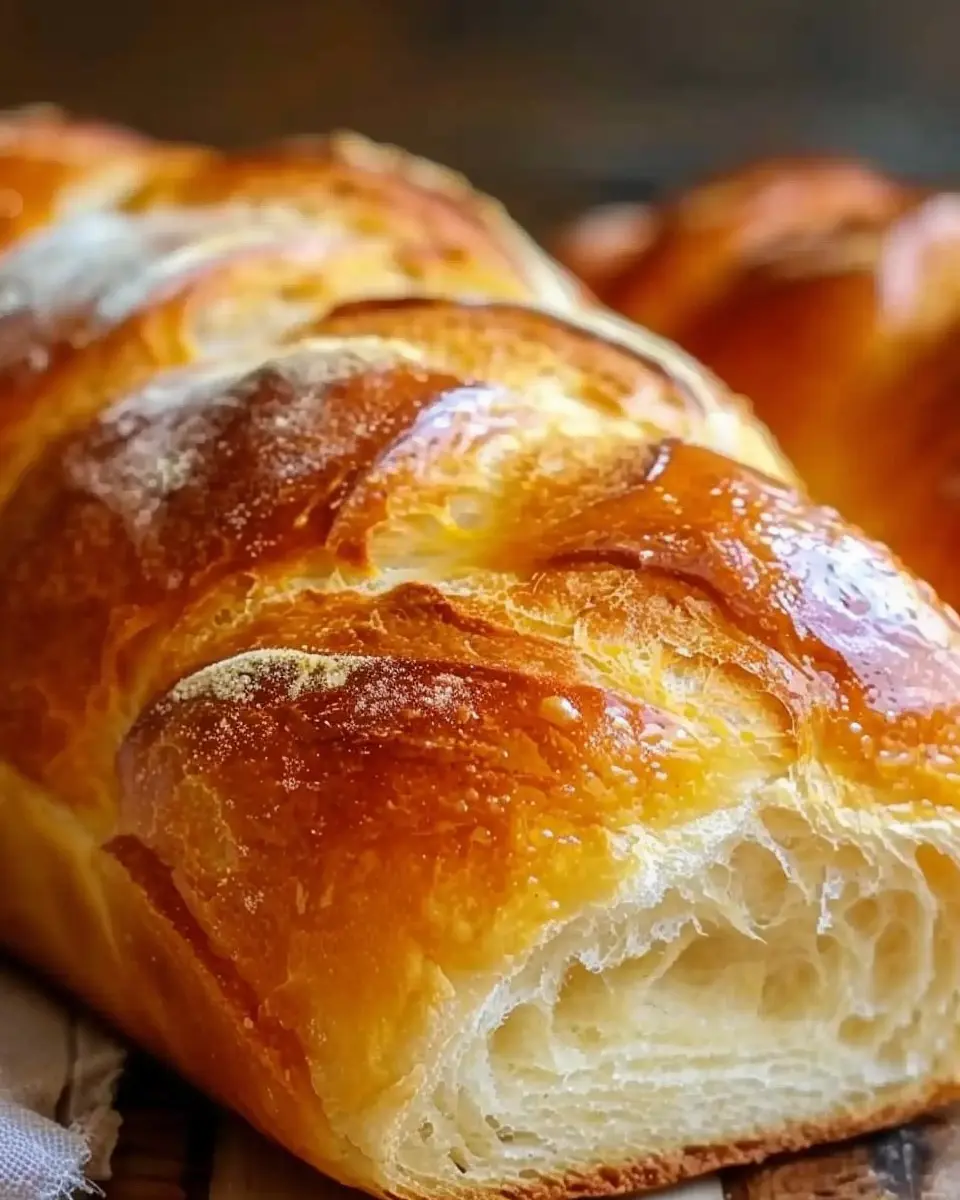
Serving Suggestions for Easy Homemade Bread
Tasty ways to enjoy your fresh bread
Once you’ve baked your easy homemade bread, there are so many delicious ways to enjoy it! Consider these quick ideas to enhance your bread experience:
- Classic Toast: Start your day with slices of fresh bread toasted and topped with creamy avocado, a sprinkle of salt, or a drizzle of olive oil.
- Dips Galore: Serve your bread alongside hummus, guacamole, or tzatziki for a delightful appetizer. You’ll impress any guests, and it’s a great way to use up leftover bread!
For a deeper dive into bread pairings, check out this guide on bread and spreads, which can elevate your homemade creation.
Creative sandwich ideas
Who says sandwiches need to be ordinary? Once your easy homemade bread has cooled, cut it into thick slices for sturdy sandwiches. Here are some fun combinations to tantalize your taste buds:
- Turkey Bacon Avocado Sandwich: Layer crispy turkey bacon with fresh avocado, lettuce, and tomato on your bread. The crunch is unbelievably satisfying!
- Grilled Cheese with a Twist: Add sliced tomato and basil to elevate the classic grilled cheese. Don’t forget to use your fresh bread for that perfect, crispy crust.
These inventive sandwich ideas not only highlight your bread but also make lunchtime something to look forward to. Enjoy!
Time Breakdown for Easy Homemade Bread
Preparation Time
Making easy homemade bread starts in the kitchen with about 10-15 minutes of preparation. Gather your ingredients: flour, yeast, salt, and water. Mix them together, and voila — you’re already on your way to fresh bread!
Rise Time
Next comes the crucial rise time, which typically takes 1-2 hours. During this phase, the dough transforms, becoming light and fluffy. Don’t rush this step; it’s where the magic happens! You might even consider using this time to learn about the science behind bread-making from reputable sources like King Arthur Baking.
Baking Time
Finally, the baking process takes around 25-30 minutes. Preheat your oven to 375°F (190°C), and once that heavenly aroma fills your home, you’ll know your homemade bread is ready to be savored.
With this timeline, you’ll be enjoying your delicious bread in no time!
Nutritional Facts for Easy Homemade Bread
When you whip up a loaf of easy homemade bread, it’s important to understand what you’re bringing to the table. Each slice contains approximately 80-100 calories, depending on your recipe specifics and portion size.
Macronutrient Breakdown
Here’s a quick look at the macronutrients:
- Carbohydrates: 15-20 grams
- Protein: 2-4 grams
- Fat: 1 gram or less
These numbers may vary based on the ingredients you choose. For instance, swapping in whole grain flour can increase fiber content, making your bread even more nutritious! For those watching their macros, adjusting ingredients can significantly change the profile—consider adding oats or seeds for extra nutrients. For more detailed insights, check out Healthline’s nutrition articles. Bread can be a delightful part of your diet when made right!
FAQs about Easy Homemade Bread
How can I tell if my bread is done baking?
One of the most common questions when baking easy homemade bread is how to know when it’s ready. Look for a beautifully golden crust and give it a gentle tap on the bottom—if it sounds hollow, you’re in the clear! Additionally, using a thermometer can be a game-changer; the internal temperature should reach about 190°F to 200°F. This ensures your bread is perfectly baked and has that delightful, chewy texture.
What should I do if my dough doesn’t rise?
If your dough is as flat as a pancake after patiently waiting, don’t despair! Several factors could be at play. First, check if your yeast is active. To test, mix it with warm water and sugar; foamy bubbles should appear within 10 minutes. If not, it’s time for a new packet of yeast. Other culprits could include insufficient rising time, a cold environment, or even expired flour. For next time, try placing your dough in a warm, draft-free spot, like an oven with the light on.
Can I freeze homemade bread?
Absolutely! Freezing is an excellent way to preserve your easy homemade bread. Just ensure your loaf is completely cool before wrapping it tightly in plastic wrap or aluminum foil. For best results, you can slice the bread before freezing to make it easier to thaw individual pieces as needed. Bread can typically be frozen for up to three months without losing much flavor or texture. For a deeper dive into freezing techniques, visit The Kitchn.
With these tips in hand, you’re all set for successful baking adventures!
Conclusion on Easy Homemade Bread
Embracing the Joy of Homemade Bread
There’s something incredibly satisfying about making easy homemade bread from scratch. From the moment you mix the ingredients to the aroma wafting through your kitchen, each step brings a sense of accomplishment. No store-bought loaf can rival that warm, freshly baked goodness!
Remember, this isn’t just about the bread; it’s about creating memories. Imagine gathering friends around a table, tearing into warm slices, and sharing stories over a meal. If you’re looking for inspiration, check out King Arthur Baking for tips or the Bread Lab for sustainable baking ideas. So, roll up your sleeves and dive into the wonderful world of baking—your kitchen awaits!
PrintEasy Homemade Bread: The Best Recipe for Fresh, Warm Loaves

This easy homemade bread recipe yields fresh, warm loaves that are perfect for any meal.
- Prep Time: 15 minutes
- Cook Time: 35 minutes
- Total Time: 1 hour 50 minutes
- Yield: 1 loaf 1x
- Category: Bread
- Method: Baking
- Cuisine: American
- Diet: Vegetarian
Ingredients
- 4 cups all-purpose flour
- 1 tablespoon sugar
- 2 teaspoons salt
- 2 tablespoons active dry yeast
- 1.5 cups warm water
- 2 tablespoons olive oil
Instructions
- In a bowl, mix warm water, yeast, and sugar. Let it sit for 10 minutes until frothy.
- Add flour, salt, and olive oil. Mix until a dough forms.
- Knead the dough on a floured surface for about 10 minutes.
- Place in a greased bowl, cover, and let rise for 1 hour.
- Punch down the dough and shape into a loaf. Place in a greased loaf pan.
- Cover and let rise for another 30 minutes.
- Bake in a preheated oven at 375°F (190°C) for 30-35 minutes.
- Allow to cool before slicing.
Notes
- For added flavor, consider adding herbs to the dough.
- Ensure your water is warm, not hot, to activate the yeast.
Nutrition
- Serving Size: 1 slice
- Calories: 100
- Sugar: 1
- Sodium: 200
- Fat: 3
- Saturated Fat: 0.5
- Unsaturated Fat: 2.5
- Trans Fat: 0
- Carbohydrates: 18
- Fiber: 1
- Protein: 3
- Cholesterol: 0
Keywords: Easy Homemade Bread, Bread Recipe, Fresh Bread