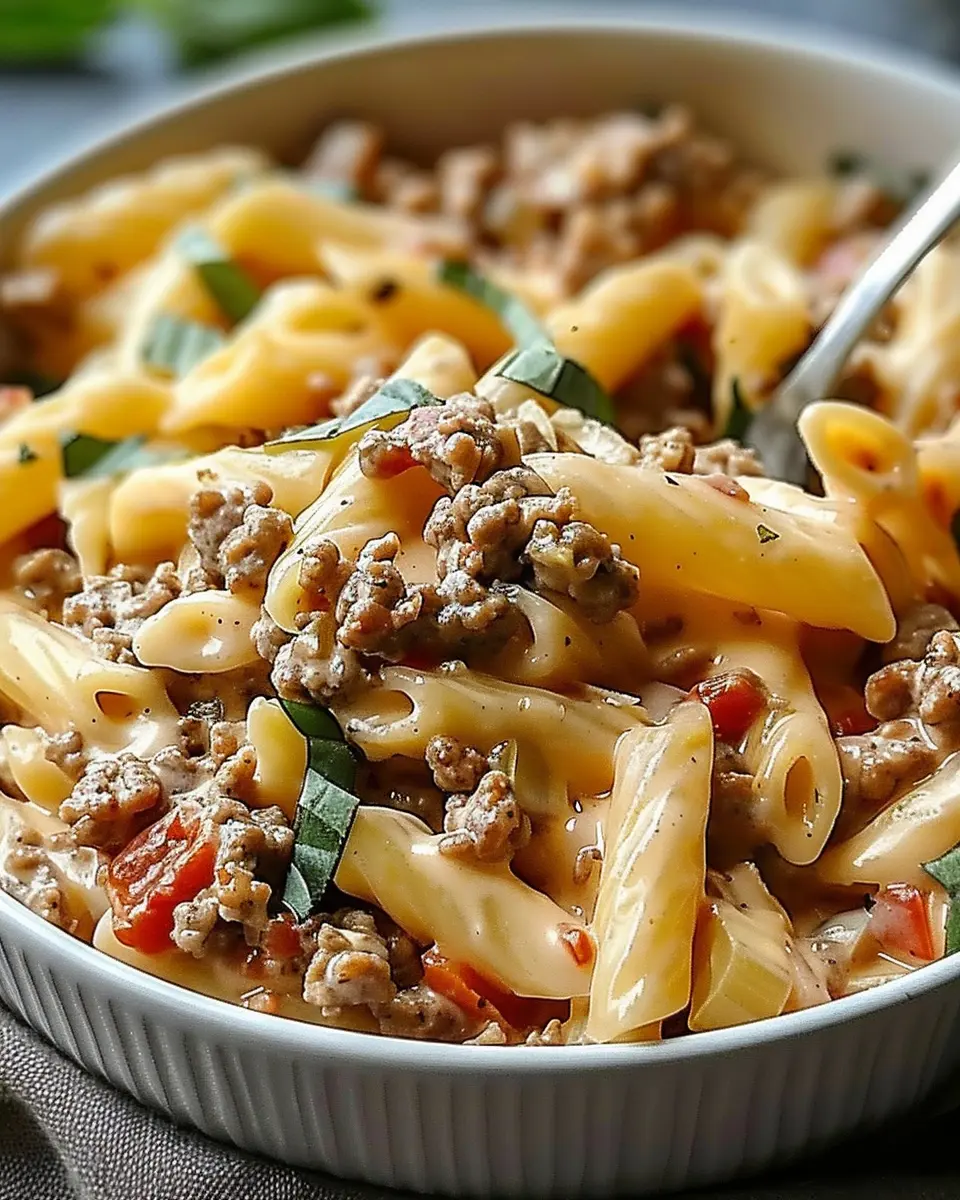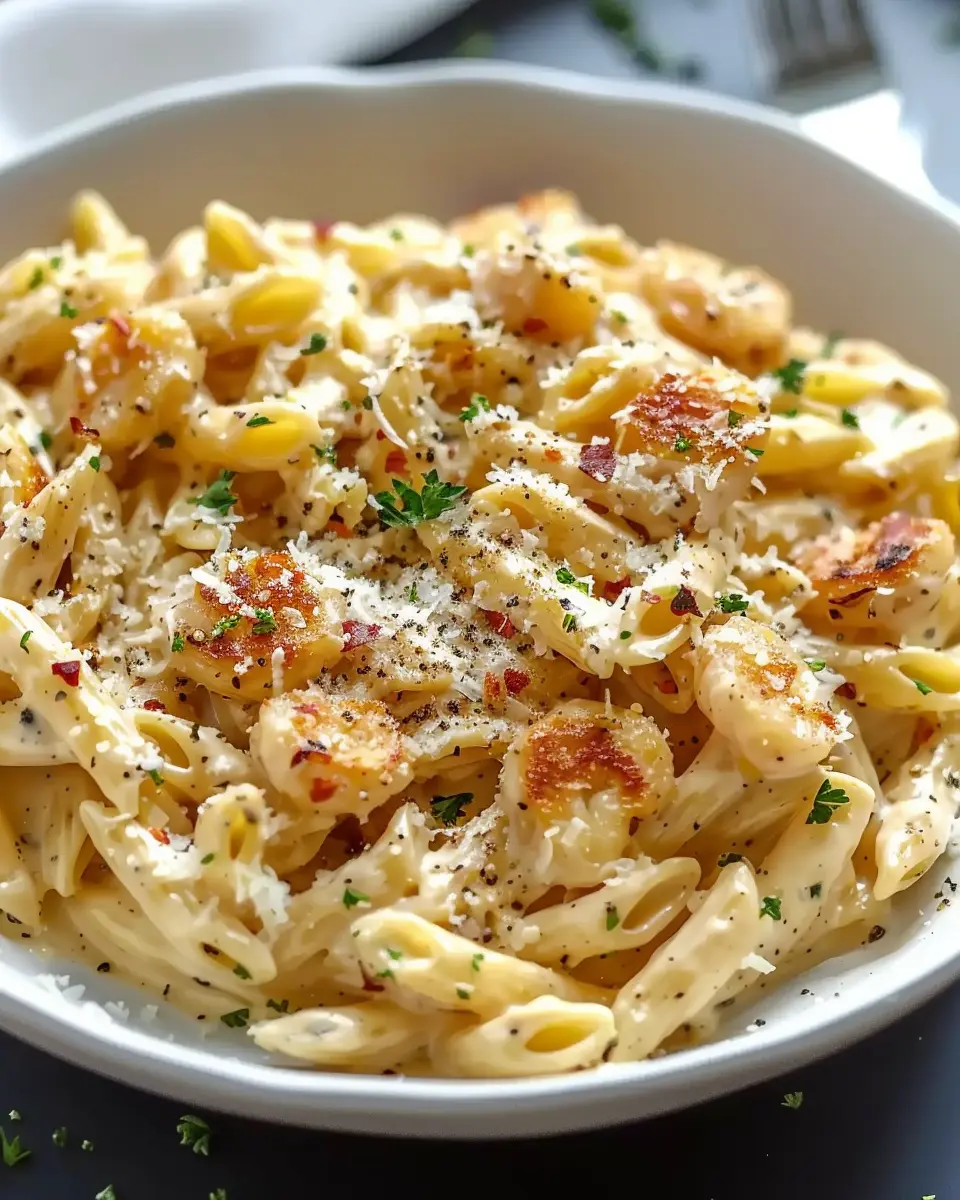
Introduction to Gochujang Pasta
What is Gochujang Pasta and why should you try it?
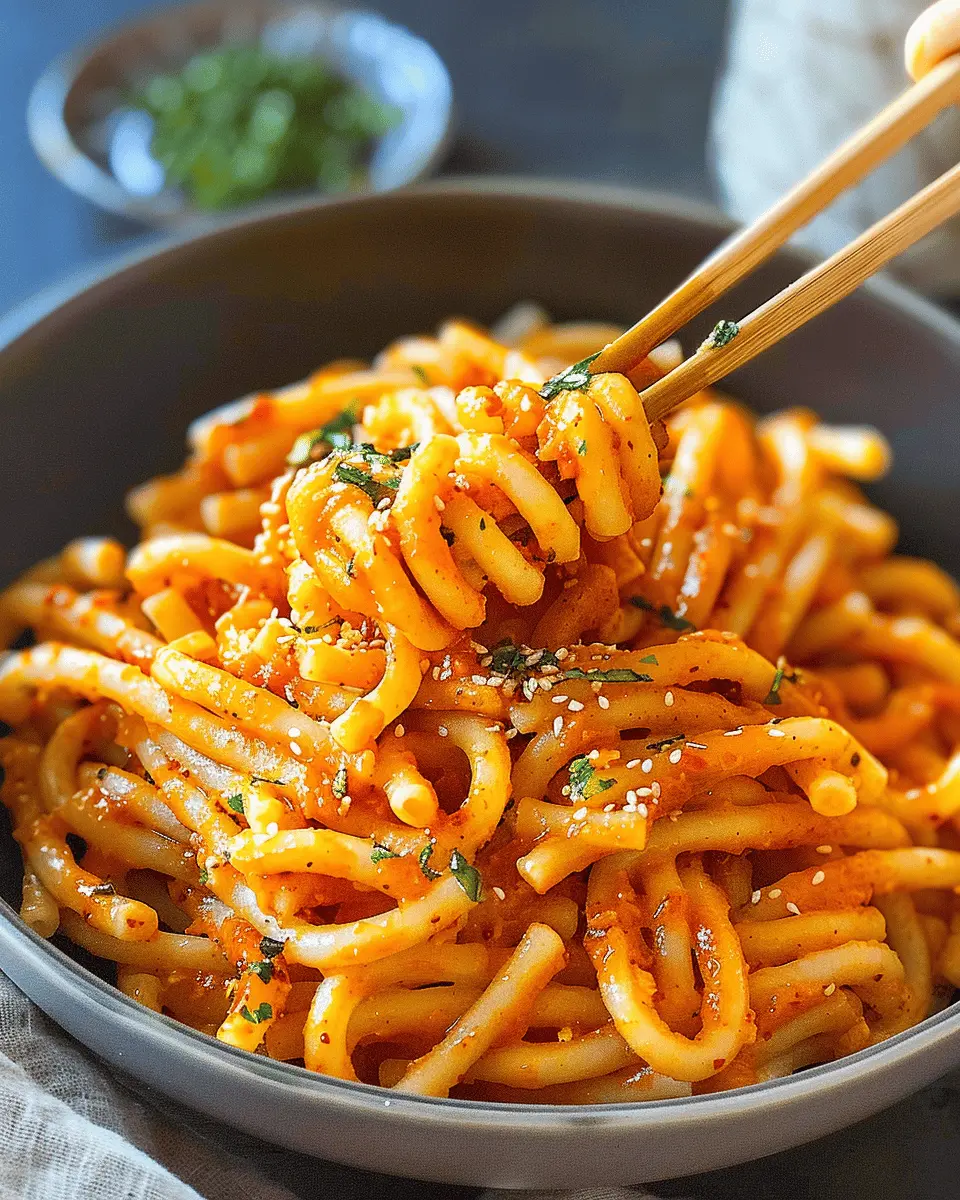
Gochujang pasta is a fusion dish that beautifully marries the traditional flavors of Korean cuisine with the comfort of Italian staples. At its core, this dish uses gochujang, a spicy and slightly sweet Korean chili paste made from red chili powder, glutinous rice, fermented soybeans, and salt. The result is a unique flavor profile that adds warmth and a tangy kick to your pasta dish. If you’re looking for a fun and delicious way to spice up your dinner routine, gochujang pasta could be your next culinary adventure!
Why should you give it a go? For starters, it’s incredibly versatile. Whether you prefer penne, spaghetti, or even gluten-free options, this easy-to-make sauce hugs any pasta shape beautifully. Plus, it’s perfect for both weeknight dinners and more elaborate gatherings. This dish can easily be amped up with your choice of protein—think grilled chicken ham, sautéed shrimp, or even turkey bacon for a smoky finish.
Moreover, gochujang is known for its health benefits, including antioxidants and potential benefits for gut health. A study published in the Journal of Korean Medical Science noted the beneficial effects of fermented foods, making this dish not only delicious but also a nourishing option (source).
If that’s not enough reason to dive into gochujang pasta, consider the ambiance it creates. Imagine cozying up at home with a comforting bowl of pasta that fills the air with mouthwatering aromas. The sheer act of cooking and enjoying something new can be a delightful escape from our busy lives.
So go ahead, give gochujang pasta a try. It’s more than just a meal; it’s an opportunity to explore, innovate, and treat your taste buds to an unforgettable experience. Whether you’re a novice in the kitchen or a seasoned chef, the joy of cooking this dish is sure to inspire your culinary creativity!
Ingredients for Gochujang Pasta
Essential ingredients for a flavorful dish
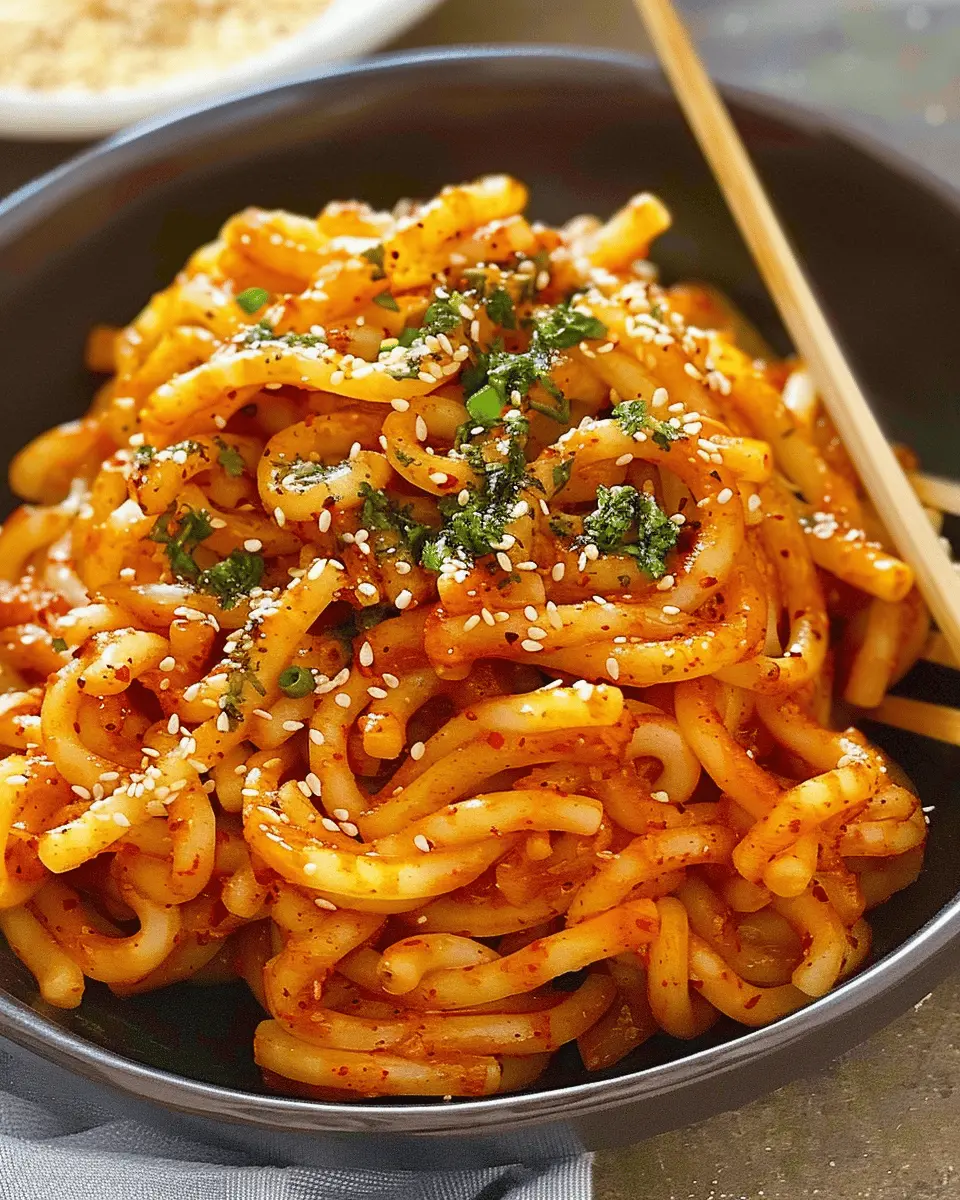
Making gochujang pasta is a delightful experience, and having the right ingredients is the key to a standout dish. Here’s what you’ll need:
- Gochujang: This Korean red chili paste is the star of the show. It adds depth and a touch of sweetness. Be sure to get a high-quality brand for that authentic kick.
- Pasta: Your choice! Spaghetti or penne works wonderfully.
- Protein: Consider using Turkey Bacon or Chicken Ham for a savory touch. If you’re feeling adventurous, you could also add shrimp or tofu as alternatives.
- Vegetables: Bell peppers, spinach, or scallions can add color and nutrition.
- Cream: A splash of heavy cream or coconut milk creates a luscious sauce.
Optional add-ins for customization
Flexibility is part of what makes cooking fun! Here are some easy add-ins to personalize your gochujang pasta:
- Nuts or seeds: Add crushed peanuts or sesame seeds for a crunchy texture.
- Herbs: Fresh basil or cilantro can brighten up the dish.
- Cheese: A sprinkle of parmesan cheese brings a creamy, salty finish.
Don’t forget to explore various flavor profiles by incorporating ingredients like garlic or lime juice! For more inspiration, check out this article on customizing pasta. The options are endless, so get creative!
Step-by-Step Preparation of Gochujang Pasta
Gochujang Pasta is a delightful fusion of flavors that marries the umami richness of Korean gochujang with the comforting familiarity of pasta. Whether you’re winding down after a long workday or prepping for a cozy dinner with friends, this recipe is sure to impress. Let’s dive into the step-by-step preparation process!
Gather Your Ingredients
Before we get cooking, let’s make sure you have everything you need. Here’s what you’ll require:
- Pasta: 250g of your choice (spaghetti, penne, or fusilli work great).
- Gochujang: 2-3 tablespoons, adjusted to your spice preference.
- Turkey Bacon: 150g, chopped into bite-sized pieces.
- Chicken Ham: 100g, diced.
- Garlic: 3-4 cloves, minced.
- Vegetable or chicken broth: 1 cup for a richer sauce.
- Olive oil: 2 tablespoons for sautéing.
- Vegetables: Your choice (spinach, bell peppers, or zucchini are fantastic additions).
- Sesame seeds: For garnish.
- Green onions: Sliced, for an extra touch.
Gathering your ingredients first helps streamline your cooking process, ensuring you have everything at hand. If you want more tips on ingredient selection, check out this guide to high-quality produce from the Academy of Nutrition and Dietetics.
Boil the Pasta to Perfection
Let’s start by boiling the pasta. Follow these simple steps:
- Bring a large pot of salted water to a boil over medium-high heat. The salt enhances the pasta’s flavor, so don’t skip this step.
- Add the pasta and cook according to the package instructions, usually around 8-10 minutes. You want it al dente, which means it should have a bit of bite to it.
- Once done, drain the pasta and save about a half-cup of the pasta water. This starchy water is a secret weapon for making a creamy sauce!
Pro Tip: Always reserve some pasta water before draining; it’s a fantastic way to adjust the sauce’s consistency later.
Sauté the Garlic and Prepare the Sauce
Now that your pasta is ready, it’s time to make the sauce:
- Heat olive oil in a large pan over medium heat. Add the minced garlic and sauté it for about 30 seconds or until it becomes fragrant.
- Toss in the Turkey Bacon and Chicken Ham. Cook until they are crispy and beautiful golden brown, approximately 5-7 minutes.
- Stir in the gochujang and add the vegetable or chicken broth. Mix well, allowing the flavors to meld for about 3 minutes.
The aroma filling your kitchen will be nothing short of tantalizing! If you’re curious about the health benefits of gochujang, this article on fermented foods highlights its probiotic properties.
Combine the Sauce with the Pasta
Let’s merge our delicious creations:
- Add the cooked pasta to the pan with the sauce. Toss everything together, ensuring that the pasta is well-coated.
- If the sauce seems thick, gradually add the reserved pasta water until you reach your desired consistency.
- Include your chosen vegetables at this point—adding them in the last few minutes to maintain some crunch.
Feel free to get creative here! Perhaps some roasted broccoli or snap peas? The freedom to customize is what makes cooking fun.
Serve and Enjoy Your Masterpiece
It’s time for the best part: serving your gochujang pasta!
- Plate your dish and garnish with sesame seeds and sliced green onions for that extra flair.
- If you like a hint of acidity, a squeeze of lime juice adds a refreshing contrast.
Dig in and savor the harmonious flavors! Whether it’s a weeknight dinner or a special gathering, this gochujang pasta will surely delight your taste buds.
Invite friends or family over, share a few laughs, and enjoy your culinary creation together. After all, good food is best shared! Want more recipe inspiration? Check out this compilation of fusion pasta recipes for more creative ideas.
And there you have it, a simple, flavorful dish that combines the best of both worlds. Happy cooking!
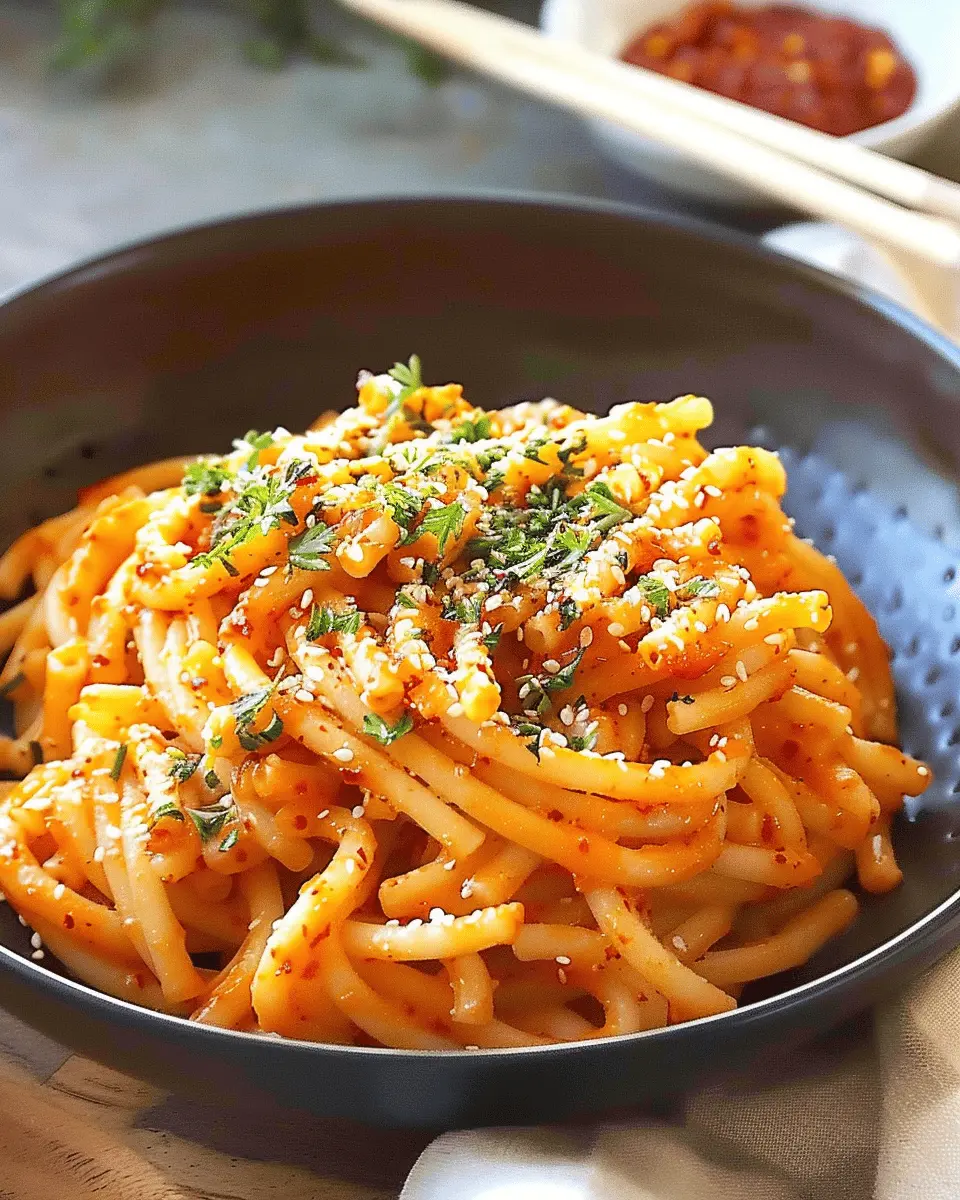
Variations of Gochujang Pasta
When it comes to gochujang pasta, the possibilities are endless! Whether you’re craving a protein-packed dish or a vegan delight, there’s a variation that will suit your palate perfectly.
Gochujang Pasta with Grilled Chicken
If you’re looking for a heartier option, try pairing your gochujang pasta with grilled chicken. The smoky flavor of the chicken complements the spicy kick of the gochujang beautifully. Simply marinate chicken breasts in a mixture of soy sauce, garlic, and a hint of the gochujang paste before grilling. Slice it up and toss it into your pasta for a satisfying meal. Not only will you have a delicious dinner, but you’ll also enjoy a boost of protein!
Vegan Gochujang Pasta Options
For those following a plant-based diet, vegan gochujang pasta can be equally delightful. Substitute traditional meat with a variety of roasted vegetables, like bell peppers, zucchini, or even mushrooms for an umami punch. To add creaminess without dairy, consider using cashew cream or a splash of coconut milk. These ingredients not only elevate your dish but also ensure you’re getting a range of nutrients.
Spicy Shrimp Gochujang Pasta
If you’re in the mood for seafood, spicy shrimp gochujang pasta is the way to go. Sauté shrimp with garlic and a touch of lime juice before mixing it with your pasta and the gochujang sauce. This quick-cooking dish combines the shrimp’s sweetness with the sauce’s heat, making for a vibrant, flavor-packed meal. Plus, shrimp is a great source of lean protein, making this dish both nutritious and satisfying.
Feel free to experiment with these variations—we promise your taste buds will thank you! If you want to learn more about flavor pairings, check out Serious Eats.
Cooking Tips and Notes for Gochujang Pasta
Tips for the Creamiest Sauce
To achieve the creamiest sauce for your gochujang pasta, focus on these key elements:
- Use fresh cream: Incorporating heavy cream or coconut cream not only enriches the sauce but also helps mellow the spice from the gochujang. You can also try sour cream for a tangy twist.
- Gradual heat: When you add your cream to the sauce, do so gradually while stirring. This ensures even mixing and a velvety texture.
- Cheese choice: Grate a good quality cheese like Parmesan or Gouda for a deeper flavor and creaminess.
Ways to Balance Spice with Side Dishes
Pairing your gochujang pasta with the right side dishes can help balance the heat:
- Refreshing salads: A crisp cucumber salad with a light vinaigrette can counter the spice effectively.
- Garlic bread: Traditional garlic bread provides a buttery richness that complements the heat beautifully.
- Savory rice: Consider serving it alongside a plain jasmine or basmati rice to absorb some of that spicy goodness.
Remember, cooking is all about experimentation, so don’t hesitate to try different combinations! For more on balancing flavors, check out this insightful piece on Epicurious. Enjoy your culinary adventure!
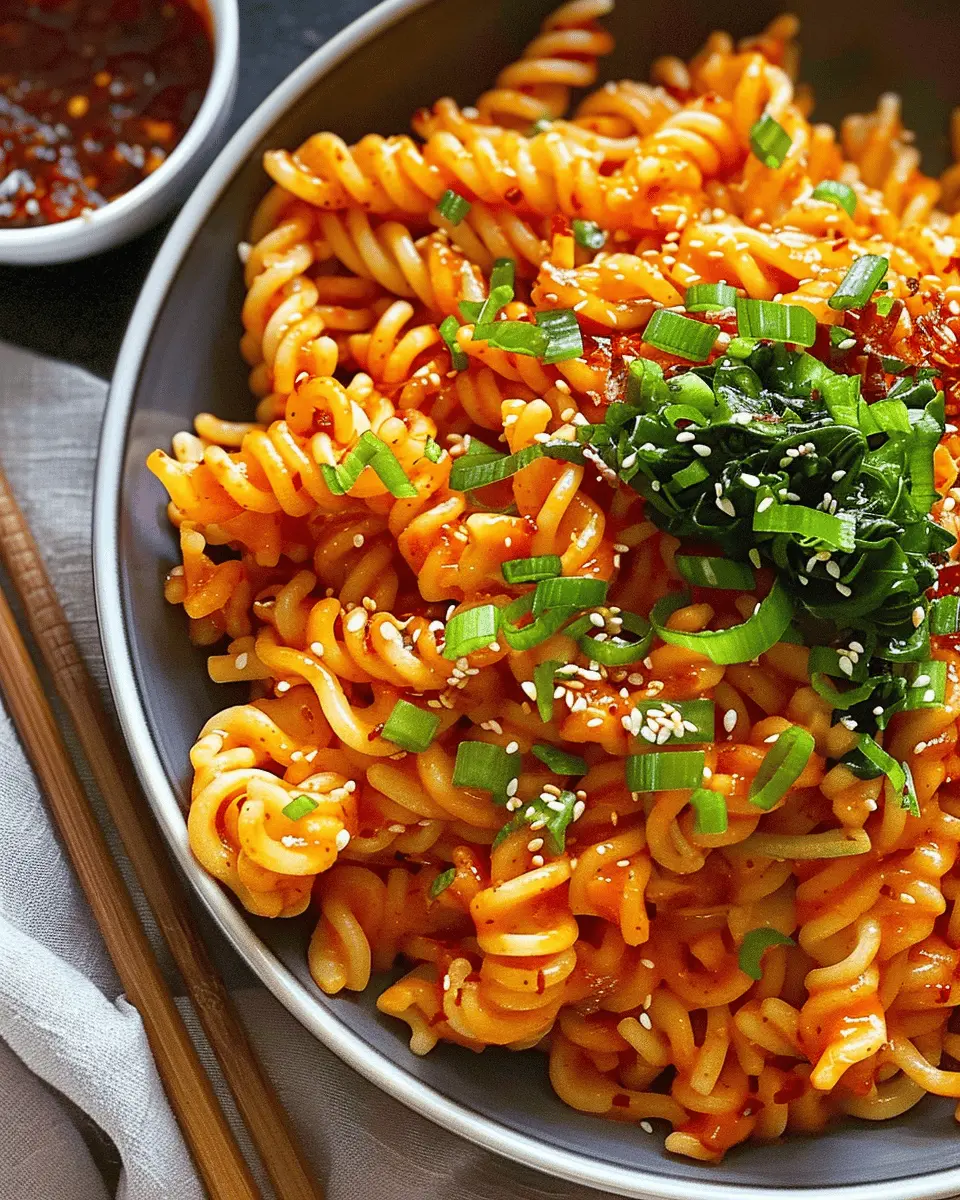
Serving Suggestions for Gochujang Pasta
Perfect pairings for a complete meal
When you’re enjoying your gochujang pasta, think about sides that complement this flavorful dish. Here are some great ideas:
- Grilled vegetables: Asparagus, bell peppers, and zucchini add fresh crunch and color. They also enhance the umami experience!
- Chicken ham or turkey bacon: A sprinkle of these can introduce a delightful savory note. They provide a protein boost to make your meal more balanced.
- Asian-inspired salad: Think sesame dressing with shredded cabbage, carrots, and cucumbers. This will provide a refreshing contrast to the rich gochujang sauce.
How to elevate your dining experience
To elevate your gochujang pasta night, consider setting the scene! Dim the lights, light some candles, or enjoy your meal al fresco if weather permits. You might also create an inspired playlist that blends Korean pop and upbeat tunes—music can really enhance the enjoyment of your dinner!
Small details make a big difference. Finish your meal with a light dessert like green tea ice cream or fruit salad for a sweet yet refreshing end. Want to impress? Look up easy recipes for homemade dukkah or furikake to sprinkle on your pasta for that extra flair.
For more creative side dishes, check out sources like BBC Good Food or Bon Appétit. Happy cooking!
Time Breakdown for Gochujang Pasta
Preparation Time
Getting your ingredients ready takes about 10 minutes. Chop your veggies, measure out your gochujang, and gather everything you need. Prepping isn’t just a lot of work; it’s a crucial step that sets the stage for your delicious meal.
Cooking Time
Cooking this delightful gochujang pasta will take around 15 to 20 minutes. You’ll be sautéing your ingredients and simmering them to perfection while your pasta cooks. It’s the perfect time to tune into some music or a podcast!
Total Time
In total, you’re looking at approximately 30 minutes from start to finish. That’s right—just half an hour for a delightful dish that packs a punch! Perfect for young professionals like you who want a quick, delectable dinner option after a busy day.
For more time-saving cooking tips, check out resources like The Kitchn or Serious Eats for inspiration!
Nutritional Facts for Gochujang Pasta
Calories and macronutrients
When it comes to gochujang pasta, understanding its caloric content and macronutrients is key. A typical serving (approximately one bowl) contains around 400-500 calories. This dish provides a satisfying mix of protein, carbohydrates, and healthy fats. Expect roughly:
- Protein: 12-15g
- Carbohydrates: 60-70g
- Fat: 10-15g
These macronutrients make it a balanced meal option, ideal for young professionals looking to recharge after a long day.
Fiber and vitamins breakdown
One of the best things about gochujang pasta is its nutrient density. Typically, you’ll find it packed with fiber—contributing 4-6g per serving, which is beneficial for digestion. Including fresh veggies boosts its vitamin content too:
- Vitamin A: Good for vision and immune function
- Vitamin C: Supports skin health and immune response
- B Vitamins: Crucial for energy metabolism
For more insights into fiber benefits, you might want to check out studies from health sources like the Harvard T.H. Chan School of Public Health. Embrace gochujang pasta as a delicious way to meet your nutritional needs while enjoying a lovely, spicy twist in your meals!
FAQs about Gochujang Pasta
When diving into the world of gochujang pasta, questions are bound to pop up. Here are some common queries that might help you in your culinary adventure.
Can I use a different type of pasta?
Absolutely! While the recipe may call for spaghetti or linguine, feel free to experiment with your pasta of choice. Options like penne, fusilli, or even whole grain varieties can add unique textures. Just remember to cook them according to package instructions for the best results.
How can I adjust the spice level?
One of the joys of crafting your gochujang pasta is the flexibility in spice levels. Gochujang is a fermented chili paste, bringing both heat and depth.
- If you prefer a milder dish, start with a smaller amount of gochujang, then gradually add more as you taste.
- Alternatively, consider mixing in some peanut butter or coconut milk to balance the heat.
- If you’re feeling adventurous, add more chili flakes or fresh chilies for an extra kick.
This way, you can customize your paste perfectly to your taste buds!
How long can I store leftovers?
Leftovers from your gochujang pasta can be a lifesaver on busy days. Store them in an airtight container in the fridge. Generally, you can keep them for about 3 to 5 days. Just make sure to reheat well before enjoying!
For more tips, check out resources from FoodSafety.gov for ideal storage guidance.
With these FAQs in mind, you’re more than ready to whip up a delicious batch of gochujang pasta and make it your own!
Conclusion on Gochujang Pasta
Why Gochujang Pasta is a Must-Try for Homemade Meals
Gochujang pasta offers a delightful twist on traditional flavors, making it a must-try for anyone looking to elevate their homemade meals. The unique combination of spicy, sweet, and umami notes from gochujang brings a fresh dynamic that tantalizes your taste buds.
Not only is it simple to prepare, but this dish also allows for plenty of customization. You can easily swap in your favorite proteins, like Turkey Bacon or Chicken Ham, and toss in seasonal veggies for added nutrition.
Diving into a bowl of this decadent pasta not only satisfies your cravings, but it also opens the door to a world of flavors inspired by Korean cuisine. So why not give gochujang pasta a try this week? Your dinner table (and taste buds) will thank you! For more ideas, check out resources from Serious Eats and Bon Appétit for culinary inspiration.
PrintGochujang Pasta: Easy Recipe with Turkey Bacon and Veggies
A delicious and easy recipe for Gochujang Pasta featuring turkey bacon and a variety of fresh vegetables.
- Prep Time: 10 minutes
- Cook Time: 15 minutes
- Total Time: 25 minutes
- Yield: 4 servings 1x
- Category: Pasta
- Method: Stovetop
- Cuisine: Korean-Italian Fusion
- Diet: Gluten-Free
Ingredients
- 8 ounces pasta of your choice
- 4 slices turkey bacon, chopped
- 1 cup bell peppers, diced
- 1 cup zucchini, diced
- 2 tablespoons gochujang
- 2 cloves garlic, minced
- 2 tablespoons olive oil
- Salt to taste
- Black pepper to taste
Instructions
- Cook the pasta according to package instructions. Drain and set aside.
- In a large skillet, heat olive oil over medium heat. Add the turkey bacon and cook until crispy.
- Add the garlic and vegetables to the skillet and sauté until tender.
- Stir in gochujang and mix well to combine.
- Add the cooked pasta to the skillet, tossing everything together. Season with salt and black pepper to taste.
- Serve warm, garnished with additional vegetables if desired.
Notes
- This dish can be made vegetarian by omitting the turkey bacon.
- Adjust the amount of gochujang based on your spice preference.
Nutrition
- Serving Size: 1 plate
- Calories: 450
- Sugar: 2g
- Sodium: 600mg
- Fat: 15g
- Saturated Fat: 3g
- Unsaturated Fat: 10g
- Trans Fat: 0g
- Carbohydrates: 60g
- Fiber: 3g
- Protein: 20g
- Cholesterol: 30mg
Keywords: Gochujang Pasta, turkey bacon, easy recipe