
Introduction to Homemade French Bread
Baking homemade French bread might sound intimidating, but trust me, it’s easier and more rewarding than you think. Picture this: a warm, crusty loaf straight from your oven, filling your kitchen with an irresistible aroma. Making French bread at home not only elevates your culinary skills but also creates an experience that few store-bought options can match.
Why Make Homemade French Bread?
So, why should you roll up your sleeves and dive into the world of baking? Here are a few compelling reasons:
- Freshness: There’s nothing quite like the taste of freshly baked bread. After just a couple of hours, you could be enjoying your own golden-crusted baguette.
- Healthier Options: Many commercially available breads contain preservatives and additives. When you bake at home, you get to choose what goes into your loaf. Plus, you can experiment with whole grains or other healthy ingredients that suit your lifestyle.
- Cost-Effective: Making your own bread can save you quite a bit of money over time, especially if you’re a bread lover. The ingredients are simple and accessible, and the satisfaction of creating your own loaf is priceless.
Now, you may be wondering, is there a trick to getting that perfect crust? Absolutely! The secret lies in creating steam while baking—this helps achieve that sought-after crunchy exterior. For a deeper dive into baking techniques, check out The Kitchn’s guide on steam baking.
And here’s a friendly tip: homemade French bread is the perfect base for so many delicious creations. Think of all the delicious sandwiches you can make using turkey bacon, chicken ham, or even a classic French toast breakfast. Plus, it pairs beautifully with a hearty soup or as a side to main dishes.
So, if you’ve never tried making homemade French bread before, now is the time to jump in! Not only will you impress yourself and your friends, but you’ll also enjoy a delicious reward for your efforts. Are you ready to get started? Let’s dive into the recipe!
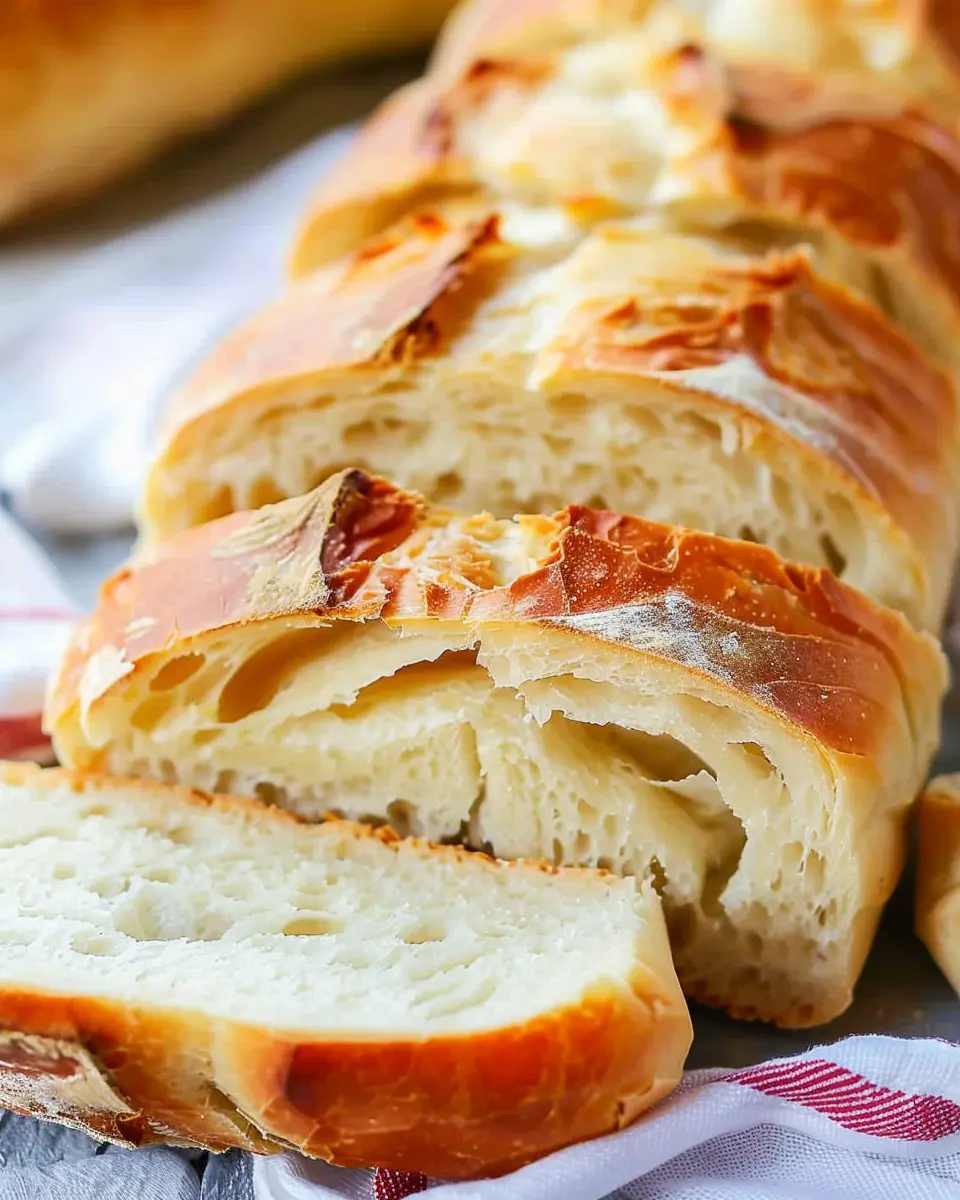
Ingredients for Homemade French Bread
Creating homemade French bread can seem daunting, but with the right ingredients, you’ll have a delightful loaf in no time! Here’s what you’ll need to get started:
- Flour: Aim for about 4 cups of all-purpose flour. Ensure it’s fresh for the best texture.
- Yeast: Use 2 teaspoons of active dry yeast. This is the magic ingredient that makes your bread rise beautifully.
- Water: You’ll need around 1 and 1/2 cups of warm water. It should feel like a comfortable bath, about 110°F (43°C).
- Salt: Just 2 teaspoons will do to bring out the flavors in your bread.
- Sugar: A teaspoon of sugar feeds the yeast, giving your bread a slight sweetness and promoting a lovely rise.
These simple components come together to create a loaf that’s crispy on the outside and soft on the inside. Don’t forget to check out resources like the Food Network or King Arthur Baking for additional tips and baking techniques. After gathering these essentials, you’ll be well on your way to mastering your own homemade French bread!
Step-by-Step Preparation of Homemade French Bread
Baking homemade French bread can be a rewarding experience, especially when you get that fresh, delicious aroma wafting through your kitchen. Here’s a straightforward guide to walk you through the process of making this bread from scratch. Let’s dive in!
Activate the yeast
First things first: you need to activate the yeast. This step is crucial and surprisingly simple.
- Warm about 1 cup of water in a kettle or microwave until it feels just warm to the touch (around 110°F or 43°C).
- Once warmed, sprinkle 2 teaspoons of active dry yeast and 1 tablespoon of sugar into the water. The sugar feeds the yeast, helping it activate more quickly.
- Let the mixture sit for about 5-10 minutes until it becomes frothy. This bubbling action is a good sign that your yeast is alive and ready to work its magic.
If you’re curious about the science behind yeast, there are plenty of resources like King Arthur Baking that explain it in detail.
Combine dry ingredients
While the yeast is working, it’s time to prep the dry ingredients. In a large mixing bowl, combine:
- 4 cups of all-purpose flour (plus more for dusting)
- 2 teaspoons of salt
By mixing these two together first, you help ensure that the salt is evenly distributed in the flour. This step is essential because while salt enhances the flavor of your homemade French bread, it can inhibit yeast growth if it makes direct contact with it before being mixed into the flour.
Mix the dough
Once your yeast is activated and bubbly, pour it into the bowl with your dry ingredients.
- Using a wooden spoon or your hands, mix until the dough begins to form.
- Knead the dough by turning it out onto a lightly floured surface for about 8-10 minutes, until it is smooth and elastic. It can be a bit sticky at first, so keep dusting your hands with flour as needed.
Kneading helps develop gluten, which gives the bread its structure and chewiness. You can also check out this guide on kneading dough for great tips!
First rise
After kneading, place the dough in a lightly oiled bowl, covering it with a damp cloth or plastic wrap.
- Let it rise in a warm, draft-free spot until it doubles in size, about 1-1.5 hours.
- If you’re in a hurry, placing the bowl in an oven preheated to the lowest setting (then turned off) can facilitate a quicker raise.
Shape the loaves
Once the dough has risen, gently punch it down to release excess air.
- Divide the dough into two equal pieces and shape them into loaves (or any shapes you prefer).
- Place them on a lined baking sheet or in a loaf pan, cover, and let them rest for a few minutes.
Second rise
Just like the first, the second rise is important for creating a light texture.
- Allow the shaped loaves to rise for about 30-45 minutes, covered with a cloth. During this time, they should puff up nicely.
Bake to perfection
Preheat your oven to 450°F (230°C). Just before baking, make a few diagonal slashes on top of each loaf with a sharp knife—this helps the bread expand while baking and gives it that classic French look.
- Place your loaves in the oven and bake for 25-30 minutes until golden brown and hollow-sounding when tapped.
- If you want that classic crispy crust, place a pan with hot water on the bottom rack of the oven to create steam.
When your homemade French bread is done, let it cool on a wire rack before slicing into it. Trust me, the wait is worth it! Enjoy your baking and the delicious scent filling your kitchen.
For more tips on bread baking, consider checking out The Bread Baker’s Guild of America. Happy baking!
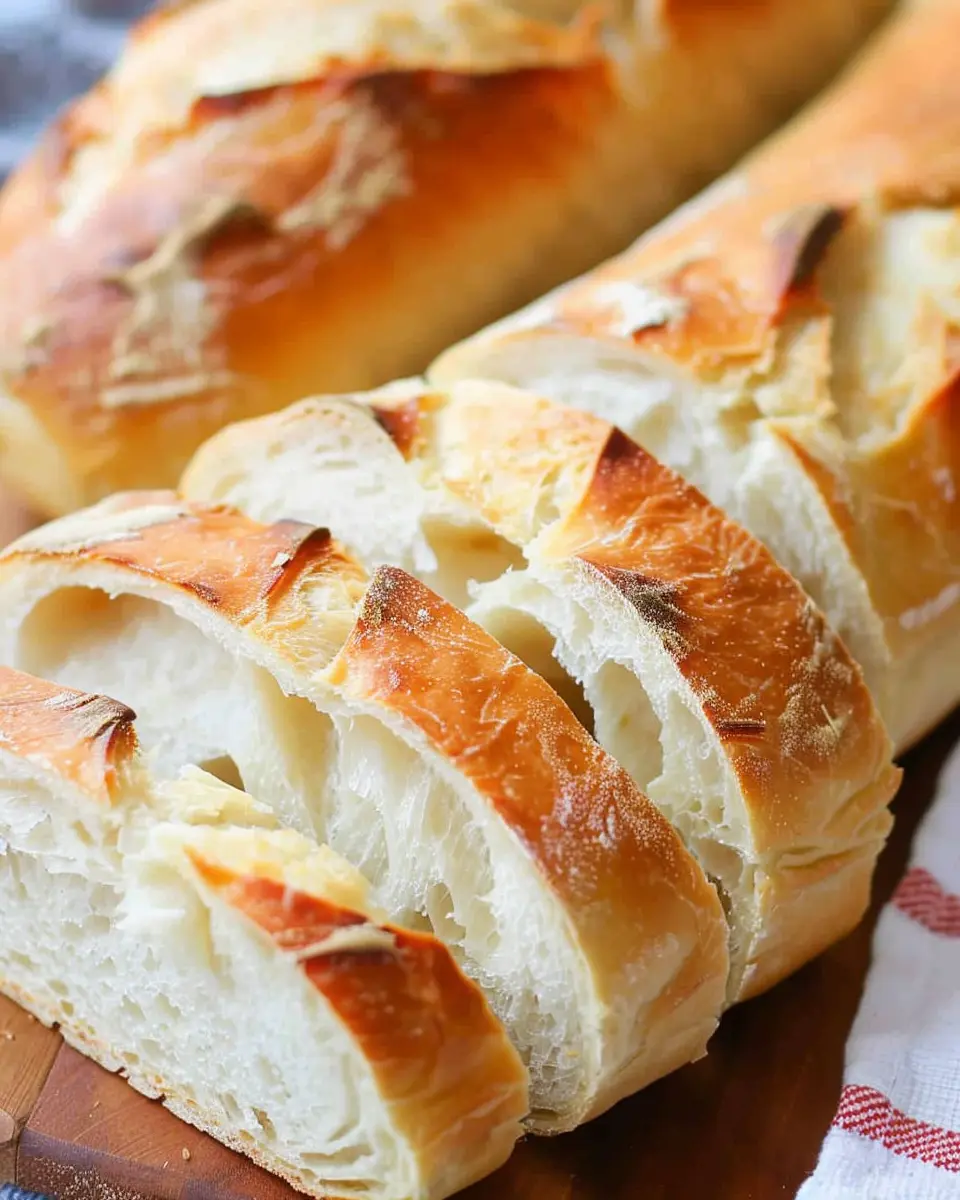
Variations on Homemade French Bread
Exploring variations on homemade French bread can transform your bread-making experience and delight your taste buds. With a couple of simple tweaks, you can create an array of flavors that suit any occasion. Let’s dive in!
Whole Wheat French Bread
If you’re looking for a healthier twist on traditional French bread, consider incorporating whole wheat flour. This variation not only adds a nutty flavor, but it also boosts the nutritional profile with added fiber.
-
Ingredients & Ratios: For a basic loaf, use 1 cup of whole wheat flour and 3 cups of all-purpose flour. This balance gives you the wholesome goodness of whole wheat without sacrificing that classic French bread texture.
-
Baking Tip: Whole wheat dough tends to require a bit more hydration, so don’t hesitate to add an extra tablespoon of water during mixing.
By choosing whole wheat, you’re also making a more health-conscious choice for those in your circle. Did you know that whole grains can reduce the risk of heart disease?
Herb-Infused French Bread
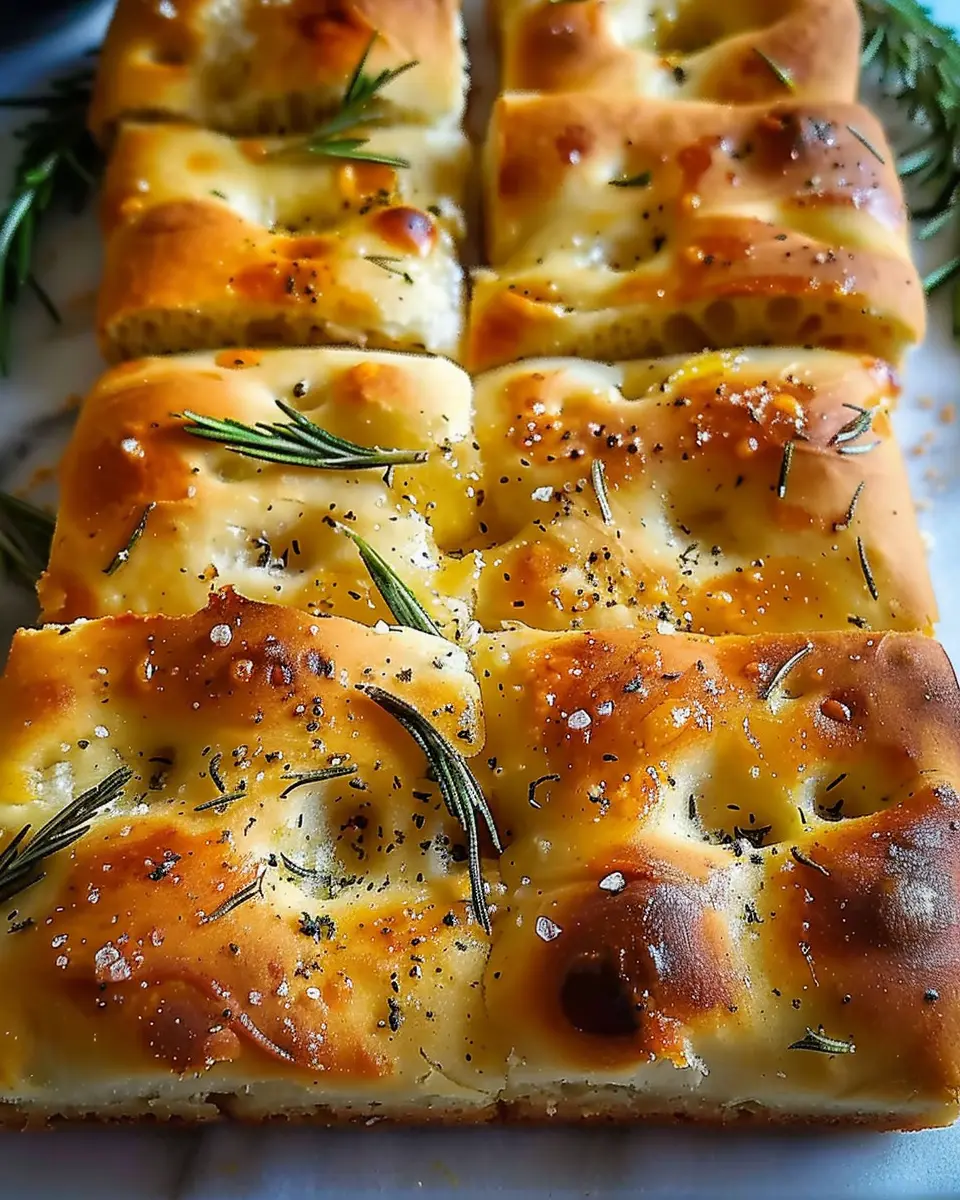
For an aromatic touch, try infusing your homemade French bread with fresh or dried herbs. Rosemary, thyme, or basil can elevate the flavor profile, turning your bread into a perfect companion for soups, salads, or even as a stand-alone appetizer.
-
Simple Method: As you knead the dough, add about 2 tablespoons of finely chopped herbs. Mix until evenly distributed.
-
Extra Flavor: Consider brushing the loaf with olive oil and sprinkling sea salt on top before baking. The result? A fragrant crust that’s simply irresistible!
Herbed bread can impress guests at a dinner party or serve as a delightful addition to a picnic spread. Pair it with a flavorful cheese or a homemade dip for a treat that everyone will remember.
These variations are just the beginning! Have you experimented with adding seeds, nuts, or even cheese? The possibilities are endless, and the best part is you get to enjoy the delicious benefits of your creativity. For more tips on enhancing your home baking, check out articles from sources like King Arthur Baking or The Kitchn.
Cooking Tips and Notes for Homemade French Bread
Making homemade French bread can be an enjoyable process that elevates your culinary skills. Here are some essential tips to guide you on your bread-baking journey.
Use Fresh Ingredients
Always opt for fresh yeast and quality flour. Fresh yeast can make a world of difference in achieving that perfect rise and texture. Check out King Arthur Baking for some great flour options.
Master the Technique
When shaping the dough, take your time. Gently stretch and fold to create tension, which helps develop a beautiful crust. Ever tried slashing the dough just before baking? This allows steam to escape while giving a classic look to your homemade French bread.
Steam for Success
To achieve that crunchy crust, introduce steam in the oven. A simple method is to place a pan of hot water at the bottom of the oven during baking. This tip can turn a good loaf into a fantastic one!
Let It Cool
Patience is key! Allow your bread to cool on a wire rack before slicing. This lets the steam escape, ensuring the right texture. Enjoy your baking endeavor, and don’t hesitate to experiment!
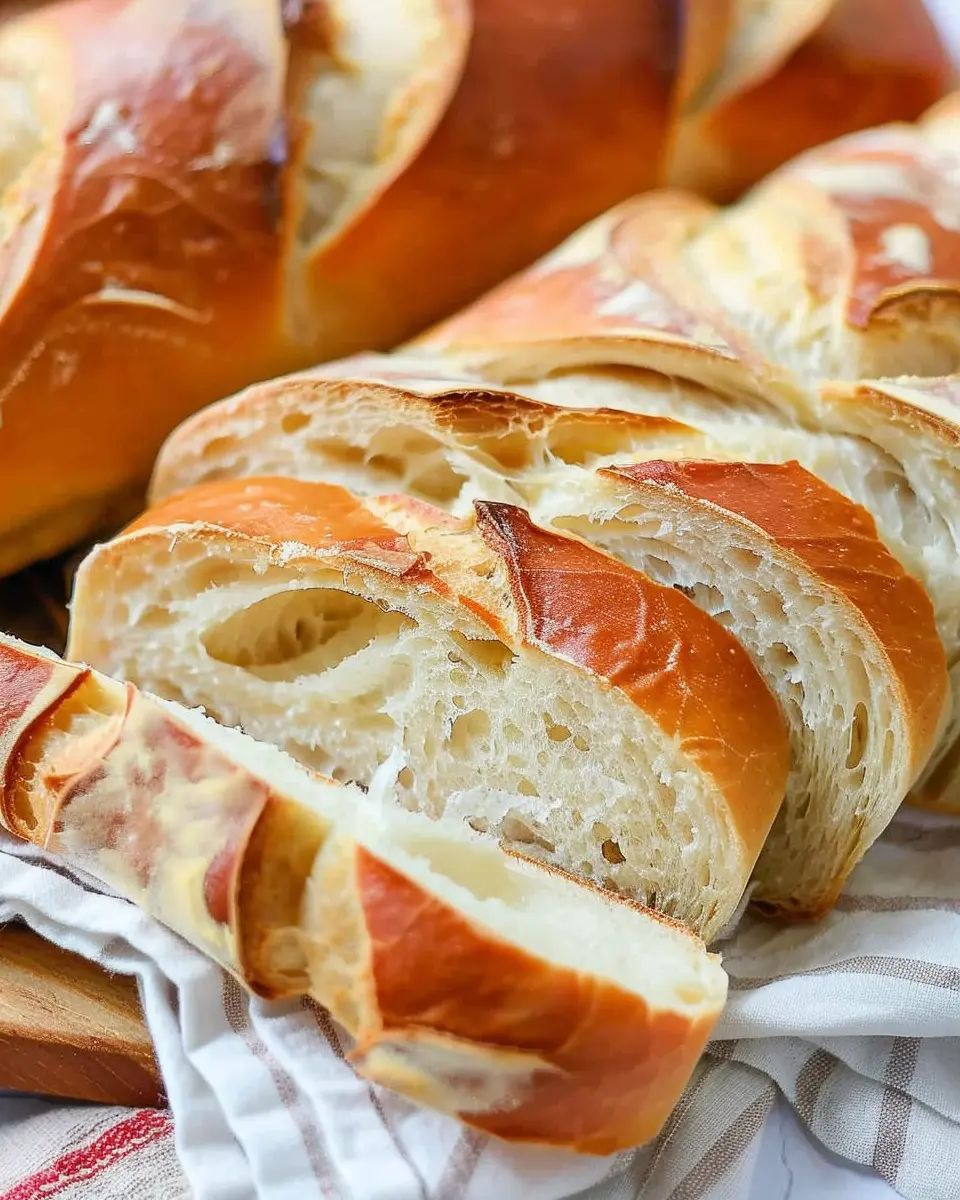
Serving Suggestions for Homemade French Bread
When you whip up a loaf of homemade French bread, it opens up a world of delicious possibilities. This versatile bread can elevate your dining experience in countless ways!
Classic Pairings
-
Soup and Salad: Sliced fresh, your French bread is the perfect accompaniment to hearty soups like tomato basil or creamy chowder. A light salad with vinaigrette complements it beautifully.
-
Sandwiches: Think outside the box! Use your fresh French bread for scrumptious sandwiches. Spread on some creamy goat cheese, add roasted turkey bacon, and top with fresh arugula for a quick lunch.
Creative Dips
-
Garlic Butter: Whip up a mixture of melted butter and fragrant minced garlic to dip your bread into. It’s heavenly!
-
Herbed Olive Oil: Combine olive oil with balsamic vinegar and fresh herbs for a rustic dip, ideal for sharing with friends over a casual meal.
Sweet Treats
If you’re in the mood for dessert, toast slices of your homemade French bread and top them with cinnamon, sugar, and butter for a sweet indulgence.
For more inspiration, check out the Food Network for blending your ideas! Each slice of your homemade French bread can bring a delightful twist to your culinary table. Enjoy experimenting!
Time Breakdown for Homemade French Bread
Preparation Time
Making homemade French bread is a delightful experience that begins with about 20 minutes of preparation. This includes kneading your dough and letting it rise. It’s the perfect time to sip on your favorite coffee or tea while savoring the warm aroma of yeast and flour that fills your kitchen.
Baking Time
Once your dough has risen, it’s showtime! The baking time is approximately 25-30 minutes. Keep an eye on the crust: it should turn golden-brown, filling your space with a mouthwatering scent.
Total Time
In total, you’re looking at around 2 hours to create this culinary masterpiece, including rising times. That may sound like a bit, but don’t forget that most of it is passive time, giving you a chance to prep a delicious meal!
For guidance on the basics of bread-making, you might want to check out resources from King Arthur Baking. With this homemade French bread, you’re not just baking; you’re creating memories!
Nutritional Facts for Homemade French Bread
When you whip up a batch of homemade French bread, it’s good to know what’s going into each crusty slice. This staple is not just delicious; it’s also packed with essential nutrients.
Calories
A typical slice of homemade French bread contains around 80-100 calories, depending on the portion size. This makes it a versatile option for various meals, whether you’re enjoying it with breakfast or alongside dinner.
Carbohydrates
Each slice boasts approximately 15-20 grams of carbohydrates. As a primary energy source, these carbs can keep you fueled throughout your busy day. For more on the benefits of healthy carbs, check out resources like Healthline.
Fiber
While French bread isn’t particularly high in fiber, a slice will usually provide about 1 gram. To boost the fiber content, consider including whole grains or adding seeds during the preparation. Combining your homemade French bread with fiber-rich toppings like avocado or hummus can make for a satisfying meal option.
Understanding these nutritional facts can help you integrate homemade French bread into a balanced diet while still indulging in its delightful flavor!
FAQs about Homemade French Bread
How do I store homemade French bread?
Storing your homemade French bread properly is crucial to maintain its freshness. The best way is to let it cool completely, then place it in a paper bag to allow for air circulation. If you prefer a softer crust, wrapping it in a clean kitchen towel can also do the trick. Avoid plastic bags as they tend to create moisture, making your bread soggy.
Can I freeze homemade French bread?
Absolutely! Freezing is a great option if you want to save your homemade French bread for later. Slice the bread first for quicker thawing, then wrap it tightly in plastic wrap and aluminum foil to prevent freezer burn. When it’s time to enjoy your delicious creation, simply let it thaw at room temperature or pop it in a preheated oven for a few minutes to refresh the crust.
What makes the crust crispy?
The secret to a crispy crust in your homemade French bread lies in three key elements: steam, temperature, and timing. When baking, adding steam to your oven during the first few minutes of baking creates a beautiful crust. You can achieve this by placing a pan of hot water at the bottom of the oven. Also, ensure your bread bakes at a high temperature (around 450°F is ideal) to promote that perfect crust. Lastly, don’t skip the cooling step; this allows the crust to set beautifully.
For more tips on bread storage and baking, check out King Arthur Baking and Breadtopia for expert insights and recipes.
Conclusion on Homemade French Bread
Creating homemade French bread is more than just baking; it’s an experience filled with the aromas of yeast and warm crusts that fills your kitchen. Whether you enjoy it with a simple pat of butter or as the foundation for a delicious sandwich, the final product is truly satisfying. Plus, it’s a great way to impress friends or treat yourself after a busy week.
Embrace the process, let your dough rise, and enjoy each step. For those looking for additional guidance on bread baking techniques, the King Arthur Baking Company offers fantastic resources. So roll up your sleeves and get started—it’s easier than you think and so rewarding!
PrintHomemade French bread: The easiest way to elevate your meals
Elevate your meals with this homemade French bread recipe that’s easy to follow and delicious.
- Prep Time: 15 minutes
- Cook Time: 35 minutes
- Total Time: 1 hour 50 minutes
- Yield: 1 loaf 1x
- Category: Bread
- Method: Baking
- Cuisine: French
- Diet: Vegetarian
Ingredients
- 4 cups all-purpose flour
- 2 teaspoons salt
- 1 tablespoon sugar
- 2 teaspoons active dry yeast
- 1 and 1/2 cups warm water
Instructions
- In a large mixing bowl, combine warm water, sugar, and yeast. Let it sit for about 5 minutes until it becomes frothy.
- Add the flour and salt to the yeast mixture. Stir until a dough forms.
- Knead the dough on a floured surface for about 10 minutes until smooth.
- Place the dough in a greased bowl, cover with a towel, and let it rise for 1 hour or until doubled in size.
- Preheat your oven to 375°F (190°C).
- Punch down the dough, shape it into a loaf, and place it in a greased loaf pan.
- Let the dough rise again for 30 minutes.
- Bake for 30-35 minutes until golden brown.
- Cool before slicing.
Notes
- Let the bread cool completely before storing it to maintain its texture.
- For a crustier loaf, place a pan of water on the bottom rack while baking.
Nutrition
- Serving Size: 1 slice
- Calories: 120
- Sugar: 1g
- Sodium: 200mg
- Fat: 2g
- Saturated Fat: 0g
- Unsaturated Fat: 0g
- Trans Fat: 0g
- Carbohydrates: 23g
- Fiber: 1g
- Protein: 4g
- Cholesterol: 0mg
Keywords: Homemade French Bread