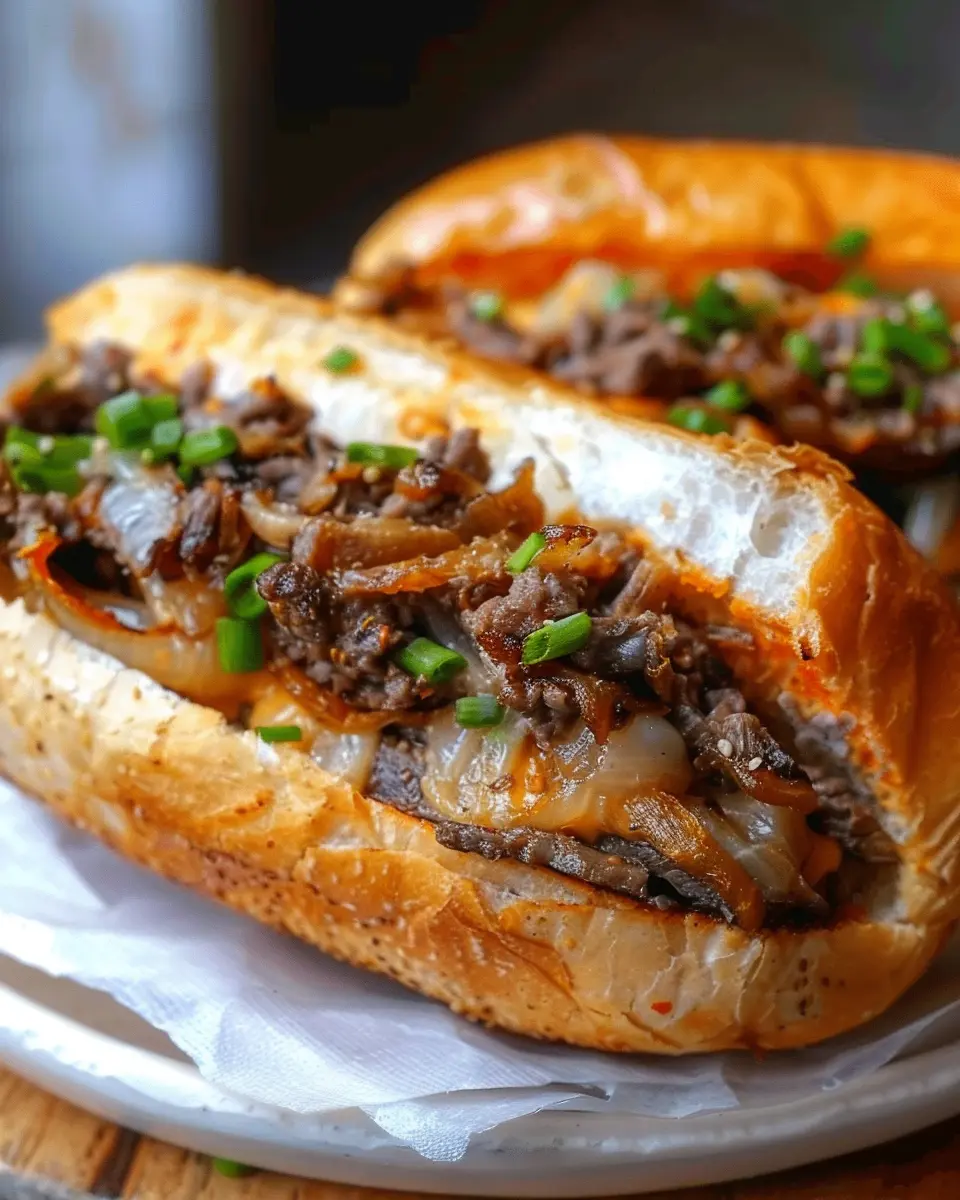
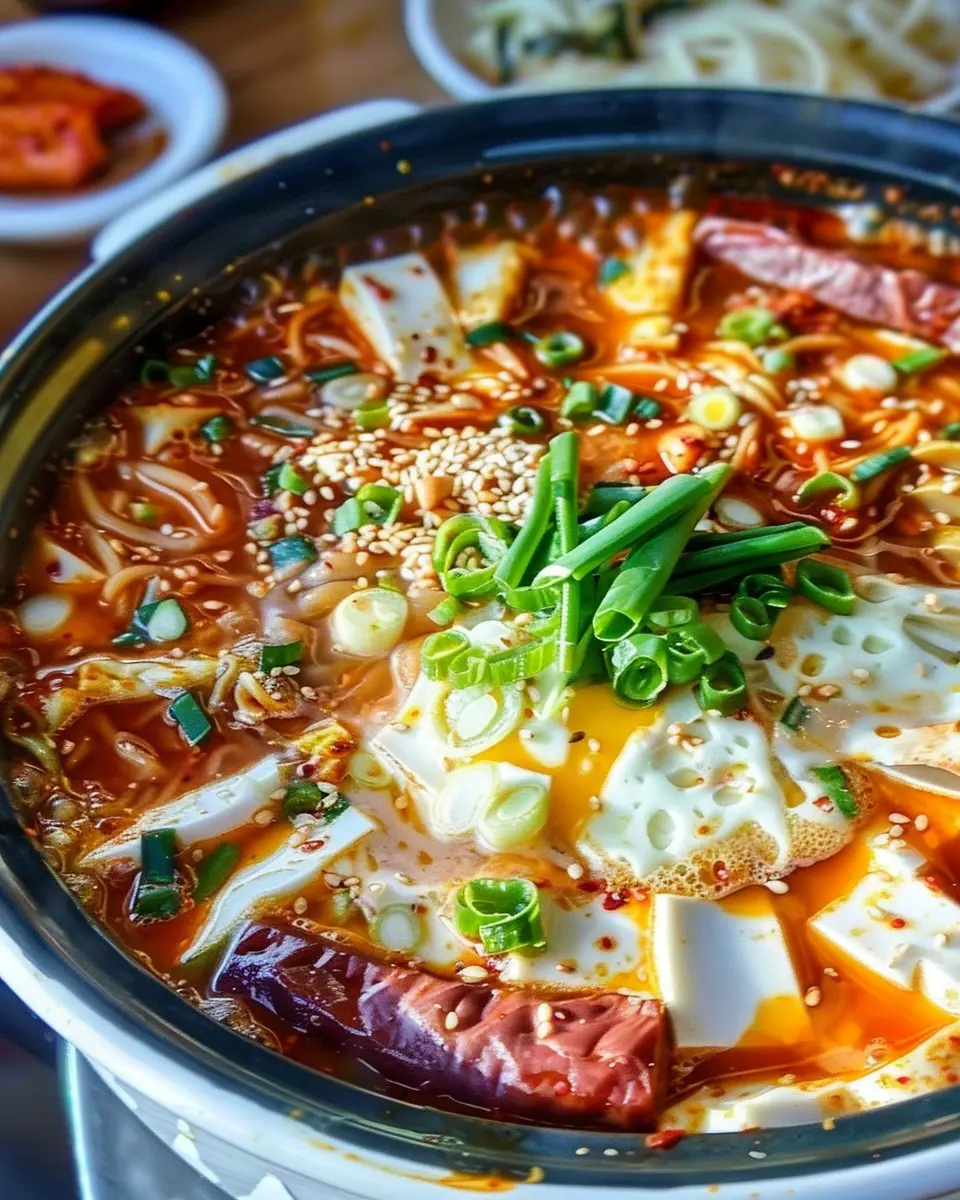
Introduction to Budae Jjigae (Korean Army Stew)
What is Budae Jjigae and why is it popular?
Budae Jjigae, often referred to as Korean Army Stew, is as rich in history as it is in flavor. This beloved dish emerged in the aftermath of the Korean War when food scarcity led creative souls to combine leftover ingredients like sausages, beans, and various vegetables into a delicious stew. The result? A melting pot of flavors that warms both the body and soul.
What makes Budae Jjigae truly special is its adaptability. Traditionally, it features ingredients like turkey bacon, chicken ham, and even processed cheese, making it a delightful hearty meal. Today, it’s not just a nostalgic reminder of war-torn resilience but a popular comfort food that can be found in bustling restaurants and cozy homes alike. If you want to dive deeper into the cultural significance of Budae Jjigae, the Korean Food Foundation is a great resource.
Ingredients that Shine
Another aspect of Budae Jjigae’s popularity is the variety of ingredients that can be used, allowing for personal twists. Some common elements include:
- Turkey Bacon: Adds a crispy, savory depth, which brings a unique twist to the dish.
- Chicken Ham: Offers a tender, meaty texture that’s easy to enjoy.
- Tofu: Provides a plant-based option to balance out the heft of the meats.
- Vegetables: Mushrooms, zucchini, and greens add freshness and color.
How cool is it that you can customize Budae Jjigae based on what’s in your pantry? That flexibility makes it an ideal choice for young professionals seeking flavorful meals without a lot of fuss.
Making Memories Around the Table
Beyond being just a satisfying meal, Budae Jjigae fosters a sense of community. Picture this: friends gathered around a hot pot, sharing laughter and stories as you all dive in together. It’s a social dish that encourages connection, much like other Asian dining cultures where communal meals are the norm.
So, whether you’re reminiscing over your grandmother’s recipe or experimenting with new ingredients, preparing Budae Jjigae just might become your go-to weekend tradition. Who wouldn’t want to keep such a delicious and heartwarming dish alive?
Feel inspired? Get ready to dive into the full Budae Jjigae recipe and experience the warmth and joy this stew can bring!
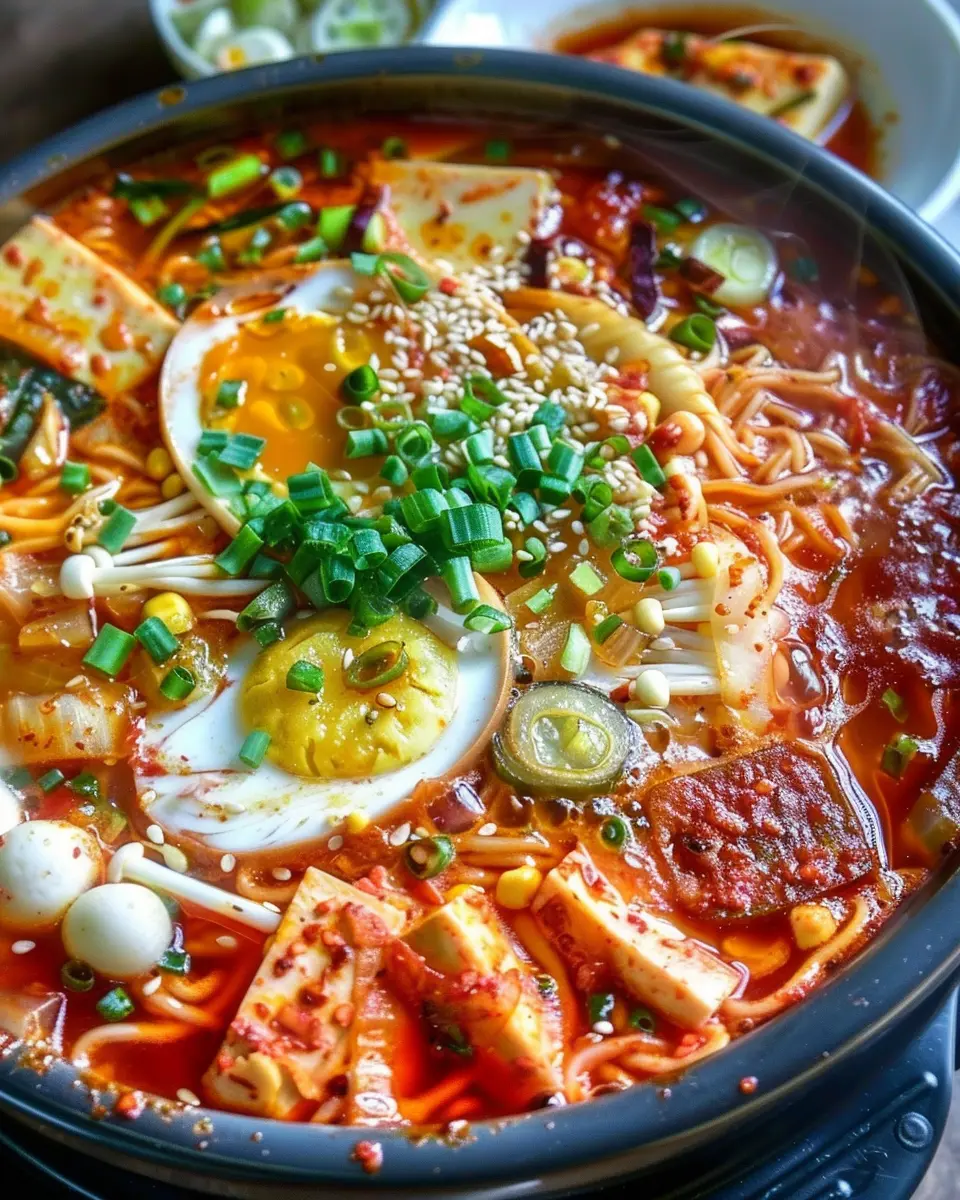
Ingredients for Budae Jjigae
When you’re ready to dive into making Budae Jjigae, it’s essential to gather the right ingredients to truly savor this flavorful Korean dish. Let’s break it down!
Essential ingredients for your stew
To create the heart of your Budae Jjigae, here’s what you’ll need:
- Turkey Bacon: This is a leaner alternative to traditional bacon, adding a smoky flavor.
- Chicken Ham: Provides a lovely savory note that complements the other ingredients.
- Beef: Thinly sliced, it contributes a hearty texture.
- Kimchi: For that tangy and spicy kick!
- Tofu: Adds protein and absorbs the rich broth.
- Vegetables: Think mushrooms, onions, and bok choy for freshness and crunch.
- Noodles: Instant ramen or udon noodles work beautifully as a base.
- Korean spicy stew base (gochujang): Essential for that authentic, spicy flavor.
- Broth: Use anchovy or vegetable stock for depth and richness.
Want more insights? Check out Maangchi’s Budae Jjigae recipe for expert tips.
Optional add-ins for personalization
The beauty of Budae Jjigae is its versatility! Feel free to spice it up or tone it down with these optional ingredients:
- Cheese: A sprinkle of shredded mozzarella for a creamy finish.
- Canned beans: For extra fiber and heartiness.
- Rice cakes (tteok): For a delightful chewiness, they perfectly soak up the flavors.
- Chili flakes: For an extra kick if you love heat.
Experimenting with these add-ins can make your Budae Jjigae uniquely yours!
Preparing Budae Jjigae
Cooking Budae Jjigae, often called Korean Army Stew, is a delightful adventure that combines heartwarming flavors and vibrant textures. It’s a dish that tells a story, weaving together history and comfort food into a single pot. Whether you’re honoring the culinary traditions of Korea or just seeking something new and delicious, let’s dive into how to prepare this gem.
Gather and prepare your ingredients
To kick things off, gather your ingredients. A beautiful Budae Jjigae requires a mix of proteins, veggies, and spices that come together to create a hearty stew. Here’s what you’ll need:
-
Proteins:
-
5 slices of Turkey Bacon
-
6 slices of Chicken Ham
-
1 cup of thinly sliced Beef
-
Vegetables:
-
1 cup of sliced mushrooms (shiitake or enoki work well)
-
1 cup of chopped green onions
-
1 cup of diced tofu (optional, but highly recommended for texture)
-
Broth Ingredients:
-
4 cups of chicken or vegetable broth
-
2 tablespoons of gochujang (Korean chili paste)
-
1 tablespoon of soy sauce
-
1 tablespoon of sesame oil
-
Extras:
-
1 pack of instant noodles (like ramen)
-
A handful of shredded cheese (optional but delicious)
Before you begin cooking, take a moment to prep your ingredients. Slice, dice, and measure out everything so you have a smooth cooking process. For more detailed information about ingredient variations, check out this resource on Korean cuisine.
Mix the sauce for flavor
Now that you have your ingredients ready, it’s time to get saucy! In a bowl, mix the gochujang, soy sauce, and sesame oil until well combined. This sauce will be the heart of your Budae Jjigae, infusing the stew with the signature spiciness and umami flavors that define the dish.
Feel free to adjust the spice level by adding more gochujang or even some chili flakes if you’re a spice aficionado! It’s your stew, and a little personal touch can make all the difference.
Arrange ingredients in the pot
Next up is arranging your ingredients in a pot. Start by adding the broth to a large pot over medium heat. This will be the base of your Budae Jjigae. Once the broth is simmering, add the mixed sauce directly into the broth and give it a gentle stir.
Now, layer your ingredients:
- First, add the Turkey Bacon and Chicken Ham.
- Follow with the Beef, mushrooms, and tofu, if using.
- Then sprinkle the chopped green onions on top.
Stacking the ingredients ensures that each flavor melds beautifully as the stew simmers, creating a perfect harmony.
Simmer to perfection
Now, let’s talk about the simmering process. Cover the pot and let everything cook for about 15-20 minutes. This allows the proteins to absorb the broth’s flavor while releasing their own. Be sure to peek occasionally and give it a stir. You want everything cooking evenly, and it’ll fill your kitchen with amazing aromas!
While it simmers, you can prepare your side dishes. Traditional accompaniments like pickled radish or kimchi will elevate your meal and bring out the best in your Budae Jjigae.
Finish with noodles and cheese
As your Budae Jjigae reaches the end of its simmering journey, it’s time for the grand finale! Add the instant noodles to the pot, allowing them to cook for about 3-4 minutes until they’re tender and perfectly integrated into the stew.
If you’re a cheese lover, this is where you can add a handful of shredded cheese on top of the stew. Cover the pot for a minute just to let the cheese melt perfectly, creating a delightful, creamy touch to your dish.
Once everything is cooked and beautifully melded together, serve hot and enjoy the warmth and comfort of your homemade Budae Jjigae. Each bite will tell a story, and I promise, it’ll be one you’ll want to share with friends and family!
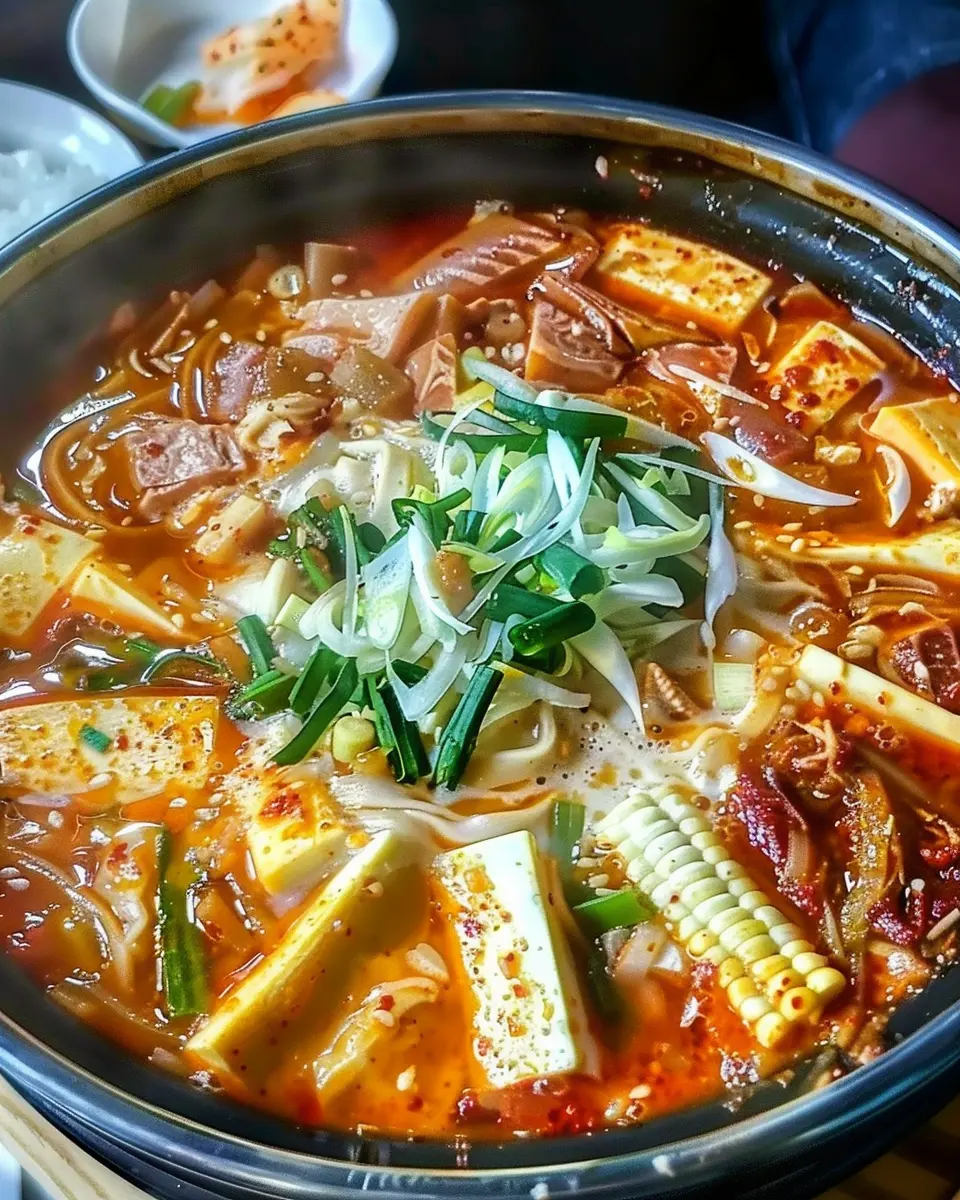
Variations on Budae Jjigae
Budae Jjigae, the beloved Korean Army Stew, has a flavor profile that invites delightful twists and adaptations. Whether you’re craving something classic or looking to shake things up, there’s a version of this stew that will suit your palate.
Delicious Vegetarian Budae Jjigae
If you’re leaning towards a meatless meal, fear not! A vegetarian Budae Jjigae can be just as hearty and satisfying. Start by replacing meat ingredients with a medley of vegetables like mushrooms, zucchini, and bell peppers. Add tofu for protein and consider using vegetable broth as a base. Infuse it with funky flavors using ingredients like soy sauce or gochujang (Korean chili paste) for that signature kick. You’ll be surprised by how fulfilling a veggie version can be! Check out this vegetarian recipe for inspiration.
Extra Spicy Budae Jjigae
Are you someone who enjoys a challenge? Then a spicy Budae Jjigae with extra heat might just be your jam. Turbocharge your stew by adding fresh gochugaru (Korean red pepper flakes) and cutting down on any milder components. You might also want to toss in sliced jalapeños or even some chili oil for that extra zing. This fiery rendition is a bold way to embrace the essence of Budae Jjigae.
International Twist on Budae Jjigae
Why not take this beloved dish globally? Adding international flair can yield unique flavors that would surprise even the most seasoned Budae Jjigae aficionados. For example, incorporate Italian ingredients like pesto or mozzarella cheese for a fusion stew that combines the comforting elements of both cuisines. Alternatively, using curry spices can transform this dish into an exciting Asian fusion experience. The possibilities are endless!
With these variations, you’ll find that Budae Jjigae can adapt to any taste preference or dietary choice. So gather your ingredients, bring your friends over, and enjoy a warm bowl of this delectable stew together!
Cooking tips and notes for Budae Jjigae
Achieving the right balance of flavors
To create a delicious Budae Jjigae, the key is in balancing the flavors. Start with a rich, savory broth—combining beef stock with a splash of soy sauce and some gochujang (Korean chili paste) will enhance depth. Don’t hesitate to experiment with ingredients like kimchi for tanginess or tofu for creaminess. Tasting as you go is vital! Adjust the seasoning to suit your palate, which can vary depending on the other ingredients you choose, like Turkey Bacon or Chicken Ham.
Storing leftovers effectively
If you find yourself with leftovers after enjoying your Budae Jjigae, you’re in luck! This dish actually improves overnight, as the flavors meld beautifully. Store it in an airtight container in the refrigerator for up to three days. Just remember, to reheat, do it gently over low heat to maintain its deliciousness, or use a microwave in intervals to avoid overcooking. For freeze-friendly options, check out The Kitchn’s great guide on freezing soups.
Enjoy your cooking adventure and happy feasting!
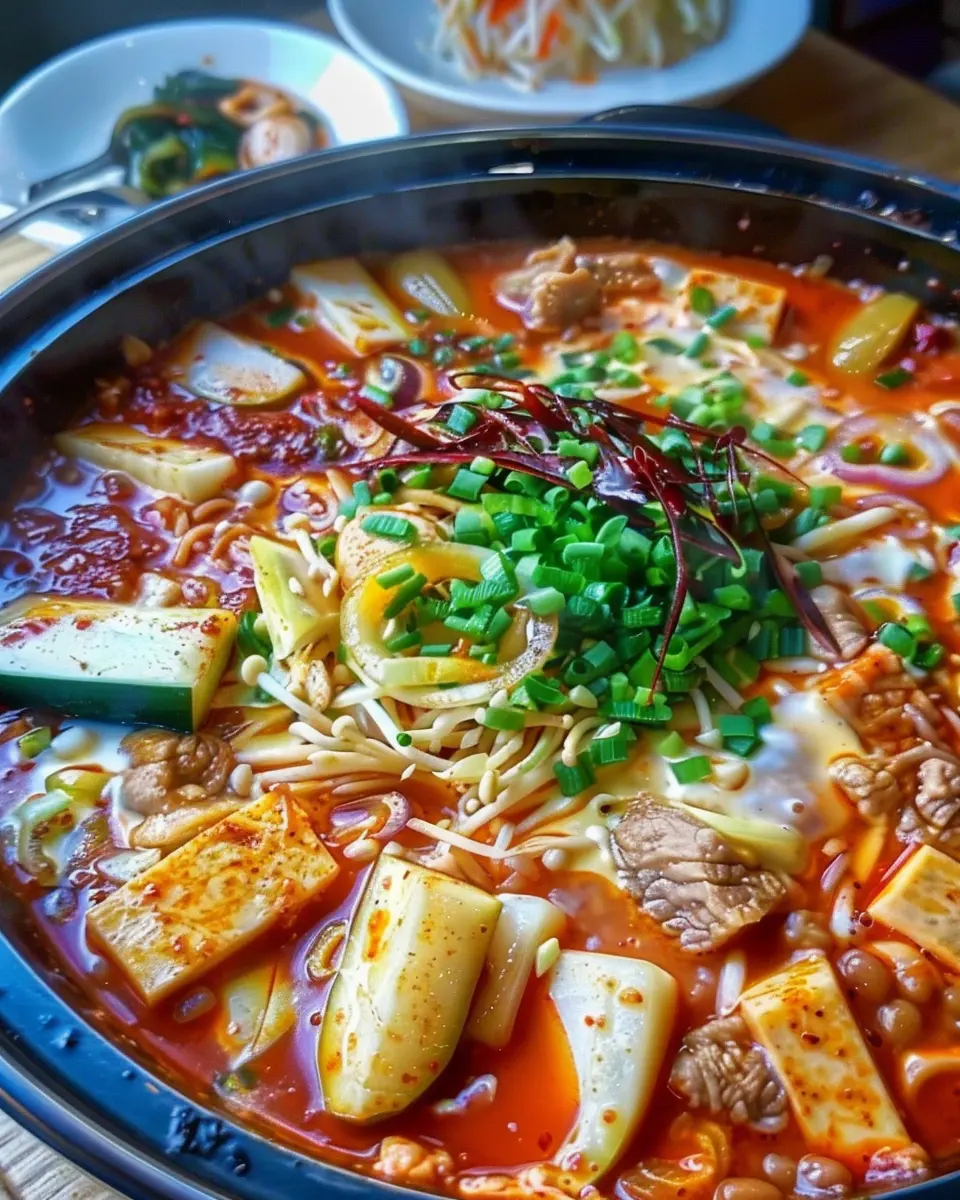
Serving suggestions for Budae Jjigae
Perfect pairings for your stew
Enjoying Budae Jjigae goes beyond just the stew itself! Pair it with:
- Steamed rice: A staple in any Korean meal, it’s perfect for soaking up that rich, savory broth.
- Kimchi: A side of spicy fermented vegetables adds a delightful crunch and tanginess, balancing the richness of the stew.
- Pickled radishes: These can bring a refreshing bite to your meal, complementing the hearty ingredients in your Budae Jjigae.
For a drink, consider a refreshing iced tea or a light fruit soda to cleanse your palate without overpowering the flavors!
Creative serving ideas for gatherings
When you’re hosting friends, a communal pot of Budae Jjigae can make for an engaging dining experience. Here’s how to elevate the moment:
- DIY toppings station: Lay out additional toppings like green onions, cheese, or instant noodles, allowing guests to customize their bowls.
- Serve family-style: Bring the pot to the table for everyone to serve themselves, creating a warm, inviting atmosphere.
- Theme your night: Host a Korean night with K-pop music, Korean-inspired decorations, and a short quiz about Korean culture for some fun interaction.
With these ideas, you’ll not only satisfy hungry bellies, but also create lasting memories! For more on Korean cuisine and enjoyable recipes, check out sources like Korean Bapsang or Maangchi.
Time breakdown for Budae Jjigae preparation
Preparation time
Getting ready for your Budae Jjigae adventure doesn’t take long! You’ll want to spend about 15-20 minutes gathering your ingredients and chopping veggies. This includes slicing your turkey bacon, beef, and anything else you’d like to toss in, such as mushrooms or tofu.
Cooking time
Once you’re prepped and ready to go, cooking your Budae Jjigae will take approximately 30-40 minutes. Just mix everything into your pot and let the flavors meld together beautifully!
Total time
All in all, you’re looking at a total time of around 50-60 minutes from start to finish. This hearty stew is worth every second, so grab your pots, and let’s make a delightful feast! Want to dive deeper into the traditional roots of Budae Jjigae? Check out this fascinating article on Korean culinary history.
Nutritional Facts for Budae Jjigae
Calories per serving
A hearty serving of Budae Jjigae typically contains around 350–450 calories. This makes it a filling meal without being too heavy, perfect for a cozy dinner.
Protein content
Packed with protein, especially from the Turkey Bacon, Chicken Ham, and the Beef, you can expect about 25–30 grams per serving. This is excellent for those looking to meet their daily protein needs while enjoying something delicious.
Key nutrients to note
In addition to protein, Budae Jjigae offers a balanced array of nutrients:
- Vitamins: Rich in vitamins A and C from the vegetables, supporting your immune system.
- Minerals: Good source of potassium and calcium, thanks to the inclusion of tofu and broth.
- Fiber: The addition of vegetables and noodles contributes to your daily fiber intake, essential for digestive health.
Want to learn more about the nutritional benefits of your favorite ingredients? Check out NutritionData for detailed insights. Understanding these nutritional facts allows you to enjoy your Budae Jjigae guilt-free and with a sense of balance!
FAQs about Budae Jjigae
When it comes to Budae Jjigae, many people have questions about this delicious, comforting dish. Let’s dive into some frequently asked questions to help you enjoy it even more!
Can I make Budae Jjigae vegetarian?
Absolutely! While traditional Budae Jjigae often features protein sources like beef, Turkey Bacon, and Chicken Ham, you can easily create a vegetarian version. Swap out the meats for plant-based alternatives. Consider using:
- Tofu
- Seitan
- Veggie sausages
Add more vegetables like mushrooms, zucchini, and bok choy for an extra flavor boost. Don’t forget to substitute the beef broth with vegetable broth to keep it hearty and flavorful.
What’s the best way to reheat it?
Reheating Budae Jjigae is simple! The best way is to use a stovetop method. Pour the leftovers into a pot, add a splash of water or broth to prevent the stew from thickening too much, and heat over medium until hot. Stir occasionally to maintain an even temperature. You could also use the microwave, but this may not yield the best taste—especially with the ingredients blending together over time.
How can I customize the ingredients further?
Budae Jjigae is incredibly versatile! Here are some ways to customize your stew:
- Add more spices: Experiment with gochujang for heat or gochugaru for a smoky flavor.
- Incorporate noodles: You can toss in ramen or udon for a more filling meal.
- Choose your veggies: Spinach, corn, or potatoes could add a new twist.
Embrace your creativity! Check out Korean Banchan for more ideas that complement your Budae Jjigae perfectly.
Whether you’re a seasoned cook or just starting, the possibilities are endless with Budae Jjigae!
Conclusion on Budae Jjigae
Creating Budae Jjigae at home is not just about savoring the rich, hearty flavors of this beloved Korean Army stew; it’s also a fantastic way to elevate your cooking game. This dish is an exciting mix of ingredients like turkey bacon, chicken ham, and beef, making it adaptable to your preferences. Plus, making Budae Jjigae offers a communal experience, perfect for gatherings or cozy nights in.
Have you ever thought about sharing your culinary creations with friends? Introducing them to Budae Jjigae could spark a newfound appreciation for Korean cuisine. So, roll up your sleeves and give this savory stew a try; you won’t be disappointed!
Interested in more Korean recipes? Check out authentic resources like Maangchi or Korean Bapsang for inspiration!
PrintBudae Jjigae: Easy Korean Army Stew with Turkey Bacon and Chicken Ham

Budae Jjigae, also known as Korean Army Stew, is a comforting and hearty dish combining various ingredients, perfect for cold days.
- Prep Time: 10 minutes
- Cook Time: 15 minutes
- Total Time: 25 minutes
- Yield: 4 servings 1x
- Category: Main Course
- Method: Stovetop
- Cuisine: Korean
- Diet: Gluten-free
Ingredients
- 1 tablespoon vegetable oil
- 4 ounces turkey bacon, chopped
- 4 ounces chicken ham, sliced
- 1 cup kimchi, chopped
- 1 cup tofu, cubed
- 2 cups chicken broth
- 1 tablespoon gochujang (Korean chili paste)
- 1 tablespoon gochugaru (Korean chili flakes)
- 1 cup instant ramen noodles
- 2 green onions, sliced
- 1 cup mushrooms, sliced
Instructions
- Heat the vegetable oil in a large pot over medium heat.
- Add the turkey bacon and chicken ham, cooking until browned.
- Stir in the kimchi and tofu, cooking for another 2 minutes.
- Pour in the chicken broth, followed by gochujang and gochugaru.
- Bring to a simmer and add the ramen noodles, cooking until tender.
- Top with green onions and mushrooms before serving.
Notes
- For a spicier version, increase the amount of gochujang and gochugaru.
- Feel free to add other ingredients like corn or baked beans for variety.
Nutrition
- Serving Size: 1 bowl
- Calories: 350
- Sugar: 2g
- Sodium: 800mg
- Fat: 20g
- Saturated Fat: 5g
- Unsaturated Fat: 12g
- Trans Fat: 0g
- Carbohydrates: 30g
- Fiber: 3g
- Protein: 20g
- Cholesterol: 60mg
Keywords: Budae Jjigae, Korean Army Stew, turkey bacon, chicken ham